RMIS NEWS

Filter By Category
Select some options
Filter By Category
Filter By Post Date
Select Date

Red Meatย Strategy 2030 – Feedback

Strategic feedback

RED MEAT STRATEGY 2030 FEEDBACK 

The livestock and red meat industry in South Africa has a promising future and the Red Meat Strategy 2030, with the AAMP, will play a definite role in the next two years. 

I will give some feedback on the progress of the Red Meat Strategy 2030 to date, this might seem insignificant in the bigger picture of how to increase the value added to the red meat producer, but this is the foundation of an industry that want to grow exports of beef from 5% to 20% and sheep from 1% to 6%, whilst retaining the local market and creating access to the market for new entrants on the basis of international standards that includes traceability.

Industry made real progress in partnering with government through relationships. If 50% of the targets, set out above, are met, we will be in a better position we currently find ourselves in. These are our strategic objectives and that does not include possible governmental strategic objectives.

Exports of South African red meat has declined. We have seen that in recent figures presented by Wandile Sihlobo. However, a renewed interest in our red meat from Saudi Arabia as well as Brazil over recent weeks and months has me exited and cautiously optimistic.

The Red Meat Strategy 2030, launched in November 2022, and aims to improve the competitiveness and sustainability of the industry by addressing challenges such as animal health and welfare, environmental sustainability, and market access. The implementation of this strategy is likely to have positive impacts on the industry over the next two years and beyond.

I am concerned with the winter approaching and the possibility of Foot-and-Mouth disease rearing its head again. However, many of the producers, feedlots and other role-players have positioned themselves through careful planning and biosecurity measures.

Emergent farmers are also an important consideration for the industry’s future. The government has implemented a number of programs aimed at supporting these farmers and enabling them to enter the market. With the right support and training, emergent farmers can make a significant contribution to the industry’s growth. The Red Meat Strategy 2030 is aimed specifically at these farmers supplying the value chain with 250 000 weaner calves.

South Africa’s membership in the BRICS group (Brazil, Russia, India, China, and South Africa) also presents opportunities for the industry. The group represents a large and growing market for red meat, and South Africa can leverage its membership to strengthen its export relationships with these countries as can be seen by recent interest in our product from Saudi Arabia.

National consumption of red meat is expected to remain stable over the next two years, simply given the history of consumption and our national red meat culture. The growing interest in alternative protein sources such as plant-based meat is real, and we as industry have to be very wary of their efforts to piggy-back on our products and established names. The poultry and pork industries are likely to continue to provide competition for the red meat industry in the domestic market mainly due to the pricing.

We also saw the recent ‘attack’ on the industry through Die GROOT ontbyt. The classic โ€œKruger Dunning Effectโ€ seems to apply when it comes to the main contributors to the current climate crises narrative- those with the least knowledge on the topic, has the most confidence to loudly talk about it. Industry will make a stand against these type of public statements with scientifically researched facts. 

In conclusion, while there are challenges facing the livestock and red meat industry in South Africa, there are also many opportunities for growth and success over the next two years. With the right support and policies in place, the industry can continue to thrive and make a significant contribution to the country’s economy. 

The current calf prices show us that our immediate focus should be to create an outlet for the pressure experienced by a weaker consumer. The immediate and easiest way would be to focus on establishing a compartment system signed off by the department of Animal Health at DALRRD to export products to trade partners creating value for the entire value chain. 

Please fee free to Contact our office if you need any information.

Download Feedback Document

From Vision to Action: RMIS Announces its Project Portfolio

RMIS Announces its Project Portfolio

The Red Meat Industry Services (RMIS) is pleased to introduce its Project Portfolio. These Projects are a strategic collection of initiatives crafted to meet industry demands, with a focus on addressing pivotal challenges, seizing emerging opportunities, and fostering innovation throughout the entire value chain, signifying a joint effort towards industry advancement.

A Strategic Vision for Progress

The heart of these projects lies in the Red Meat Industry Strategy 2030, a visionary roadmap that outlines the steps required to elevate the industry’s performance and competitiveness. Recognising the necessity of actionable interventions to translate strategic objectives into tangible outcomes, RMIS has embarked on an ambitious journey to enact meaningful change at every level of the red meat sector.

Diverse and Impactful Initiatives

Spanning a wide spectrum of focus areas, RMIS’s project portfolio encompasses initiatives aimed at enhancing traceability, promoting sustainable farming practices, improving disease management, ensuring meat safety, fostering market access, combating livestock theft, facilitating communication, and driving research and development. The budgeted income for the 2023/2024 period amounts to R44 million and it is made up of the projects set out below. 


1. Recordkeeping Systems Communication and Data Sharing (Traceability):

This project focuses on identifying, capturing, and efficiently sharing relevant traceability and production data in a standardised language, with the objective of championing industry traceability and data sharing to enhance production and trade. 

ยท Funding: 19% (R7,000,000)


2. Small Scale Farmer Development (LDS Project First Project):

This initiative aims to enhance the commercialisation of small-scale farmers through practical implementation and mentorship. RMIS has been designated as the implementing body for the Land Development Support (LDS) programme on behalf of DALLRD, overseeing a five-year initiative involving 35 farmers and an annual budget of R220 million. The objective is to promote sustainable production practices and facilitate small-scale farmer development through a turn-key offering.

ยท Funding: Project is Self-Funded


3. Mobile Cattle Processing Units for Small-scale farmers (Inclusive Growth):

The project aims to develop, equip, and manage Mobile Cattle Processing Units to facilitate comprehensive animal processing for the LDS project and to cater to small-scale farmers. By enhancing accessibility to processing facilities, the initiative seeks to improve animal health and economic value. 

ยท Funding: 8% (R3 000 000)


4. Small-scale farmer Training (Inclusive Growth):

This initiative focuses on providing comprehensive training to small-scale farmers, covering various aspects such as production systems, reproduction, health, grazing, management, finances, and marketing. Additionally, educational content will be developed for secondary school students in collaboration with the Department of Education. The primary objective is to enhance small-scale farmer production and profitability while promoting livestock education at the secondary school level.

ยท Funding: 14% (R5,400,000)


5. Industry Animal Disease Recording System and Vet Support Services:

Identifying, capturing, analysing, and sharing veterinarian data on national disease occurrence to provide proactive treatment approaches, thereby enabling a national view of animal diseases to address issues promptly. 

ยท Funding: 10% (R3,700,000)


6. Feedlot Market in FMD Red Zone (Inclusive Growth):

Creating a feedlot market in the red zone to limit cattle movement out of the area for marketing, thus mitigating the spread of Foot-and-Mouth Disease (FMD) while creating economic value. 

ยท Funding: 5% (R2,000,000)


7. Industry Meat Safety Recording System and Vet Support Services:

Identifying, capturing, analysing, and sharing national meat safety data to address concerns, ensure compliance, and promptly recall/address safety issues. 

ยท Funding: 10% (R4,000,000)


8. SA Red Meat Certification (Market Access, Export):

Providing a value chain certification for meat sold to consumers to ensure biosecurity, animal welfare, and meat safety through a value chain audit process, thereby enhancing market access and export opportunities. 

ยท Funding: 12% (R4,700,000)


9. Stock Theft:

Providing training to combat livestock theft and facilitate meetings to address theft cases and issues, with the aim of decreasing animal theft and enhancing prosecution of offenders. 

ยท Funding: 5% (R2,000,000)


10. Production Development through Communication:

Developing content to be communicated to primary producers to increase production, competitiveness, and sustainability, thus enhancing primary production. 

ยท Funding: 9% (R3,400,000)


11. Consumer Communication and Education through Beef and Lamb SA:

Promoting red meat consumption among consumers by providing scientific and industry feedback and highlighting the importance of red meat in a balanced diet and its preparation.

ยท Funding: 2% (R700,000)


12. Research & Development:

Amongst other Research and Developing projects focussing on and implementing a beef grading system to enhance quality consistency, adherence to consumer preferences, and unlock premiums locally and internationally. 

ยท Funding: 8% (R3,300,000)


Collaborative Partnerships

Central to the success of these initiatives are the collaborative partnerships forged by RMIS with government agencies, educational institutions, industry associations, and private sector stakeholders. RMIS seeks to maximise the impact of its projects and effect meaningful change across the entire red meat ecosystem.

Measuring Success: Metrics of Impact

To gauge the effectiveness and impact of its interventions, RMIS has outlined a set of performance metrics, including the number of export markets opened, the volume of commercially slaughtered animals, and the success stories arising from flagship projects such as the Land Development Support (LDS) initiative. These metrics will serve as vital indicators of progress towards the overarching goals of the Red Meat Industry Strategy.

A Stepย Towards Livestock Traceability: RMIS collaborates with GS1

RMISย collaborates with GS1

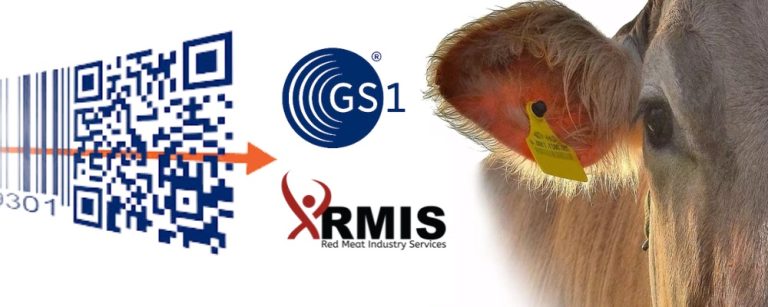
In a significant move towards establishing livestock traceability in South Africa, the Red Meat Industry Services (RMIS) has partnered with GS1 South Africa, a member of GS1 global. GS1 is a not-for-profit information standards organisation that facilitates industry collaboration to help improve supply chain visibility and efficiencyโ€ฏusingโ€ฏGS1 Standards. This collaboration will enhance supply chain management and industry standards. This is a crucial step toward achieving RMIS’s goal of enabling an industry traceability solution to address the recalling of disease outbreaks, sharing of production data throughout the value chain for economic benefit, and propelling the red meat industry towards a 20% export market growth by 2030. By prioritising traceability, RMIS is laying the groundwork to meet these objectives, ensuring the industry’s competitiveness and sustainability locally and in the global market.

โ€œGS1 is excited to collaborate with the Red Meat Industry Service to enhance their traceability capabilities using GLN which is crucial to ensure the robustness of its supply chain and enable them to quickly respond to challenges such as outbreaks of livestock borne diseases by swiftly activating traceability of the affected animals. Ultimately this enhances consumer health and safety.โ€ Says Michele Francis Padayachee, GS1 South Africa Executive.

Dr. Phillip Oosthuizen, RMIS COO, Mr. Renaud de Barbuat, GS1 President & CEO and Mr. Robert Beideman, GS1 CPO celebrating the significant move towards establishing livestock traceability in South Africa.

At the core of livestock traceability lies the ability to accurately identify, number, and map the various locations integral to the movement of livestock. RMIS is now officially collaborating with GS1 South Africa and supported by the Consumer Goods Council of South Africa to facilitate this crucial process by issuing Global Location Numbers (GLNs) to locations across the country. These locations include farms, auction houses, feedlots, and abattoirs, forming a comprehensive network essential for traceability measures.

The issuance of a unique GLN to each location ensures precision and consistency in referencing. These numbers are designed to encode vital information such as GPS coordinates, facilitating seamless traceability. Moreover, GLNs are recognised by recordkeeping systems, governmental bodies, and retail and export sectors, ensuring widespread compatibility and utility.

The ultimate goal of this initiative is to streamline the red meat supply chain, offering a clear and structured map of South Africa’s agricultural livestock landscape. With every farm, auction house, feedlot, and abattoir pinpointed with its own GLN, stakeholders across the supply chain stand to benefit immensely. From farmers to value chain actors, the ability to track and manage the movement of animals efficiently is greatly enhanced.

This collaboration between RMIS and GS1 South Africa represents a significant step forward for the red meat industry in South Africa. By leveraging global standards and innovative technologies, this partnership promises to revolutionise livestock traceability, paving the way for a more resilient and efficient industry landscape. 

RMIS is committed to keeping stakeholders abreast of developments throughout this process, and updates will be shared on the various RMIS information channels:

South Africa’s beef exports to Saudi Arabia are crucial to industry growth.

Article by Wandileย Sihlobo, Chief Economist at the Agricultural Business Chamber of SA and author of ‘A Country of Two Agricultures’.

Positive news is hard to come by at most times in South Africa. We hear daily of the difficulties and costs to business the inefficient ports, weakening municipalities, rising crime, and deteriorating roads present. 

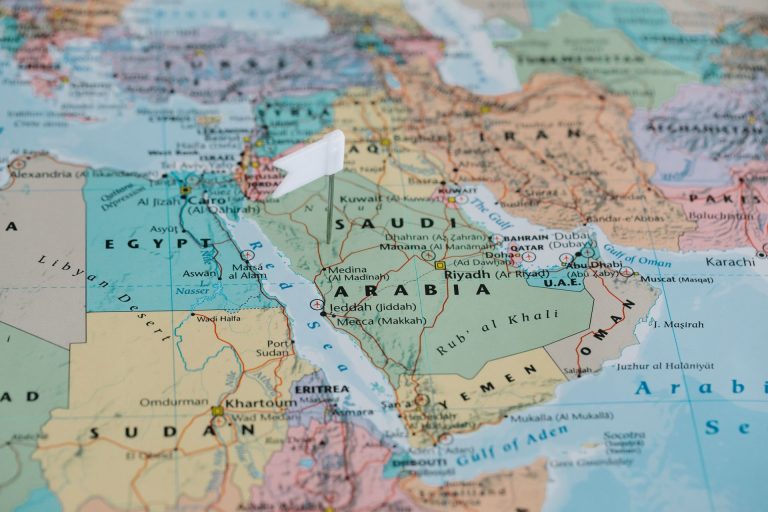
Thus, reading the headline, “Saudi Arabia to start South African meat imports as ban ends,” on BLOOMBERG, a news organization, was refreshing. This development means everything is now for the Kingdom of Saudi Arabia to import beef from South Africa. This comes after several engagements between the South African government and the private sector with Saudi Arabian authorities to unlock this market. 

Industry organizations such as Red Meat Industry Services and private sector stakeholders like Karan Beef, Sparta Beef, and Beefmaster, amongst others, deserve much credit for this uplifting development on the beef export front.

The Kingdom of Saudi Arabia has not featured prominently in South Africa’s beef export markets in the past, with only small volumes last exported in the early 2000s. The renewed access to this market is critical to South Africa’s ambition to expand beef exports, as the Saudi beef market is sizable and will be worth over US$647 million in 2021, according to data from Trade Map.

About 62% of the Saudi beef imports were frozen beef, while 38% were chilled or fresh beef imports. Some leading suppliers to Saudi Arabia include Brazil, Australia, Pakistan, The US, New Zealand, and Canada. 

Beyond beef, the Saudi meat market is large, with all meat imports valued, on average, at US$1,9 billion annually over the past five years. This means over time, as South Africa increases its production in other meat value chains, Saudi Arabia could remain a strategic country for growing exports.

This positive news of export market development provides some relief when the South African beef industry has faced a challenging operational environment for several reasons. One of the significant challenges was the rise in feed prices since 2020, especially for maize and soybeans. 

The rise in animal feed prices coincided with a worsening financial strain on consumers due to the COVID-19 pandemic’s damaging effects. Thus, we saw a decline in the demand for red meat products as consumers opted for relatively cheaper forms of protein. 

Moreover, the spread of foot-and-mouth disease to six of South Africa’s nine provinces for the first time in history was another challenge for the industry. This brought temporary bans in specific export markets, extending to auctions and livestock movement, mainly cattle, for some time in 2022. 

Fortunately, the feed prices have now softened somewhat. This is in response to large domestic maize and soybean harvests and the easing of global grain prices (irrespective of lingering worries about the Black Sea Grain Deal). 

Therefore, opening beef export opportunities to the Kingdom of Saudi Arabia adds to this improving operational environment in the future.

Despite the foot-and-mouth disease challenge, South African beef exports did not collapse. Some markets remained open, although with strict controls. This is evident in South Africa’s beef exports for 2022, which amounted to 28 422 tonnes (albeit down 12% from 2021), according to data from Trade Map. This is only mildly below the ten-year average. 

Fresh beef accounted for 54% of overall exports, while the balance was frozen beef. Within this total figure, a significant decline was recorded in frozen beef exports, which were 12 945 tonnes in 2022, down 24% year-on-year. Meanwhile, fresh beef exports increased by 2% year-on-year to 15 477 tonnes.

The key markets for South Africa’s fresh beef were Kuwait (with a market share of 22%), Jordan (16%), Mozambique (13%), United Arab Emirates (12%), Qatar (9%), Netherlands (4%), Lesotho (3%), Canada (3%), Zimbabwe (3%), Mauritius (3%), and Eswatini (2%). These markets accounted for 90% of South Africa’s fresh beef exports in 2022.

In the case of frozen beef exports, the top export markets for South Africa were Lesotho (16%), China (14%), Nigeria (14%), United Arab Emirates (9%), Mozambique (7%), Kuwait (6%), Egypt (5%), Qatar (4%), United Kingdom (3%), Netherlands (3%), and Jordan (2%). These markets accounted for 82% of South Africa’s frozen beef exports in 2022.

Overall, the broadening of South Africa’s beef export markets is a welcome development and shows the possibilities the country could achieve through collaboration and aligned interests between the government and private sector. 

These efforts of opening key markets such as the Kingdom of Saudi Arabia should extend to other commodities, mainly fruits and wine, that are eager to expand the export markets while retaining the existing markets in the EU, the African continent, Asia and the Americas, amongst other regions. Importantly, addressing the daily challenges at the ports, roads, and municipalities is equally essential for the success of this export initiative.

– Wandile Sihlobo is chief economist at the Agricultural Business Chamber of SA and author of ‘A Country of Two Agricultures‘.

South African Red Meat Achieves Milestone with Opening of Saudi Arabianย Market

Pretoria, South Africa, 11 January 2024

In a ground-breaking development for the South African Red Meat industry, the Red Meat Industry Services (RMIS), working hand in hand with the Department of Agriculture Land Reform and Rural Development (DALRRD) and the Red Meat Abattoir Association (RMAA), has successfully secured the official confirmation of the Kingdom of Saudi Arabia (KSA) opening its doors to the export of South African Red Meat.

This achievement, a result of more than a year of strategic engagement between the above-mentioned role players, is poised to reshape the landscape of South African red meat exports. Recognising the potential for industry growth, the Department of Agriculture Land Reform and Rural Development (DALRRD) actively engaged RMIS to drive a unified effort towards opening the Saudi Arabian market.

In a noteworthy incident, premature reports in August 2023 about the potential opening of the KSA market led to a surge in weaner calf prices, a testament to the positive industry sentiment surrounding this development.

Addressing the timing of the announcement, RMIS clarified that the news reported in August was a preliminary announcement, indicating the governmentโ€™s intent to trade. The subsequent months saw collaborative efforts by DALRRD, RMAA, and RMIS, alongside identified facilities, navigating challenges to secure necessary approvals and protocols. This rigorous process distinguished the official announcement from the initial, unverified information. 

The Veterinary Health Certificate as negotiated and thus agreed by DALRRD, has now been circulated to the respective provinces. The process of including additional facilities to this export market will be clarified with the SFDA as a matter of priority once export has commenced.

The success of this initiative is rooted in the Red Meat Strategy 2030, a collective vision established in 2019 by industry organisations, including RMIS. Envisaging a 20% export target for the red meat industry by 2030, the strategy outlines key cross-cutting factors such as industry restructuring, a unified voice, public-private partnerships, compartments, and veterinary services.

The opening of the Saudi Arabian market aligns seamlessly with RMIS’s 2030 Strategy, bringing the industry closer to reaching the ambitious export target. Furthermore, the Saudi Arabian market shows interest in four red meat products from the South African farming community, namely beef, lamb, mutton, and goat.

The unified voice presented to the government had a profound impact on the smooth progression of the project, showcasing the industry’s adaptability to meet strategic goals. This collaborative spirit exemplifies the industry’s commitment to navigating challenges and driving meaningful change. We appreciate the dedication of the Department in handling the challenges with this process and the opportunity for the industry to work closely with the Department in providing market access to the South African Red Meat industry.

RMIS gets new Chief Operation Officer

Newย appointment

The Red Meat Industry Services welcomes Dr Phillip Oosthuizen and is optimistic and excited for the future of the red meat industry with him in our team. 
Dr Phillip Oosthuizen obtained his BSc Animal Science and Agricultural Economics degree from the University of the Free State and furthered his studies in Agricultural Economics to receive his Honours, Master and Doctoral degrees. His MSc title, โ€˜โ€™The profit-maximising feeding period for different beef breeds,โ€™โ€™ and PhD title, โ€˜โ€™The effect of growth promoters on beef profitability, quality, and consumer preferences: a value chain approachโ€™โ€™. 
Dr Phillip Oosthuizen started his career as an Agriculture Business Banker with Nedbank, whereafter he headed the Sernick Groupโ€™s Research and Innovation division. His work focused on the Red Meat value chain, including primary cattle production (stud & commercial), Phase-C cattle testing, feedlot, feed factory, abattoir, retail, exports, technology development, emerging farmer development, and public relation. 
He has a unique combination of scientific knowledge and practical experience throughout the red meat value chain through his exposure within the diversified Sernick value chain, feedlot and meat quality research and implementation and being a farmer himself.

Official Document

Climate Smart Agriculture

Round Table onย climate mitigation through CSA and the role of financial institutions

The World Bank Group’s International Finance Corporation (IFC) recently held a stakeholders round table as part of their โ€œScaling Up Climate Finance through the Financial Sectorโ€ initiative, and theย Red Meat Industry Servicesย were invited to participate in the conversation. The discussion focused on the potential for the South African agricultural industry and the financial sector to contribute to Climate Smart Agriculture (CSA) as a means of addressing the interlinked challenges of food security and climate change.

CSA is an integrated approach to managing landscapes that includes cropland, livestock, forests, and fisheries. The approach aims to achieve the triple win of increased productivity, enhanced resilience, and reduced emissions. While the conversation did not result in any immediate actions, it was compared to the process of โ€œpeeling an onion,โ€ suggesting that a series of follow-ups and deeper investigations will be necessary.

As businesses increasingly incorporate sustainability into their development plans, there is a growing misconception of what sustainability actually entails. Unfortunately, this has led to a prevalence of misinterpretations of the science behind climate change, with those with the least knowledge on the topic often being the most confident in discussing it.

The Red Meat Industry must take care not to fall into this trap and instead engage with experts on the topic to ensure that they are translating the latest, evidence-based science into understandable, transparent messages. This includes debunking the umbrella term โ€œGreenhouse gas emissionsโ€ and steering the narrative away from using terms such as methane and carbon emissions interchangeably.

Ultimately, education on sustainability is crucial to the long-term survival of the Red Meat Industry and the planet. This requires engagement with consumers, the entire value chain, and opinion leaders. By embracing the principles of CSA and working towards the triple win of increased productivity, enhanced resilience, and reduced emissions, the industry can help to address the interlinked challenges of food security and climate change. #climatesmartagriculture

The potential of the Saudi Arabian market for the export of red meat

What can export do for us?

The potential of the Saudi Arabian market for the export of red meat is a topic that has been gaining a lot of attention in the South African red meat industry. Saudi Arabia has a high demand for red meat, and this presents an excellent opportunity for South African red meat producers to expand their market share.

Saudi Arabia has a population of approximately 36 million people. Saudi Arabia has one of the highest per capita meat consumptions in the world, and it is estimated that a total volume of about 262,500 metric tons of red meat is consumed per year.

The South African red meat industry has the potential to export a significant volume of red meat to Saudi Arabia. Currently, South Africa produces approximately 1.3 million metric tons of red meat per year. If South Africa could capture just 5% of the Saudi Arabian market, it would represent a potential export volume of 13,125 metric tons per year.

The impact of such an export market on the value of beef and cattle in South Africa could be significant. Increased demand from Saudi Arabia could result in higher prices for South African beef, cattle and lamb, which would benefit South African red meat producers.

Furthermore, an increased demand for South African beef and cattle could lead to an increase in investment in the South African red meat industry. This could result in improved breeding and production practices, which would further enhance the competitiveness of the South African red meat industry in the global market.

However, there are also some challenges that South African red meat producers would need to overcome to take advantage of the Saudi Arabian market. These include ensuring that the quality of the exported meat meets the required standards and complying with the relevant regulations and protocols.

In conclusion, the potential of the Saudi Arabian market for the export of red meat represents a significant opportunity for the South African red meat industry. With the right approach, South African red meat producers could capture a portion of this market, which could lead to increased investment, higher prices, and improved competitiveness in the global market.

Opportunities in the South African livestock industry

Despite difficulties theย sector has demonstrated resiliency and development potential

The South African livestock industry has long played a significant role in the economy, significantly boosting GDP and employment. Despite difficulties like droughts and diseases, the sector has demonstrated resiliency and development potential.

However, the sector faces particular difficulties due to the current economic situation. Global supply networks have been disrupted by the COVID-19 pandemic, which has caused price volatility and imbalances between supply and demand. The pandemic has also caused consumer spending to decline, which has an impact on the market for livestock products.

The livestock industry in South Africa nevertheless has capacity to expand, despite these obstacles. The rising demand for protein, especially in developing nations, is one of the primary drivers behind growth. This demand is driven by population growth, rising incomes, and changing dietary patterns.

Due to its favourable environment for livestock production and accessibility to export markets, South Africa has a competitive edge in the livestock sector. Exports of livestock from the country have been steadily rising, especially to Asia and the Middle East.

Value addition presents another chance for business expansion. Processing and packaging livestock goods can increase their value, boost export revenue, and add jobs. South Africa’s robust food processing sector can be used to increase the worth of livestock products.

Another opportunity for growth in the industry is through value addition. Processing and packaging livestock products can add value to the products, increase export earnings, and create employment. South Africa has a well-developed food processing industry, which can be leveraged to add value to livestock products.

Value addition presents another chance for business expansion. Processing and packaging livestock goods can increase their value, boost export revenue, and add jobs. South Africa’s robust food processing sector can be used to increase the worth of livestock products.

Technology can also significantly contribute to increased business productivity and efficiency. Blockchain technology, artificial intelligence, and precision farming can all be used to boost supply chain management, increase animal health, and optimise output.

There are a number of issues that need to be resolved in order for the South African livestock industry to fully realise its potential for development. These include poor infrastructure, restricted access to financing, and expensive input costs for things like animal feed and veterinary care.

In conclusion, despite the present economic situation, the South African livestock industry has potential for expansion. Utilizing value addition, technology, and the rising demand for protein, the sector can boost output and efficiency. Realizing this potential will depend on how the business handles its problems.

Do you have an idea for research in the industry?

Share Your Research Ideas with Us, your insights matter!