RMIS NEWS

Filter By Category
Select some options
Filter By Category
Filter By Post Date
Select Date

Better data. Better breeding. Better beef.

Research and innovation continue to drive the global beef industry forward. In New Zealand, the Cool Beef Programme is bringing together farmers, researchers and industry partners to better understand the relationship between feed efficiency, methane emissions and production traits in beef cattle.

Over the next four years, the programme will collect data from thousands of cattle to help build a clearer picture of how efficiency, productivity and emissions are linked. The long-term goal is to support future breeding decisions with robust science and practical information.

Initiatives like these highlight the importance of research-led solutions that help producers remain productive, profitable and resilient while meeting the challenges of the future.

Namibia Engagement Highlights Need for Separate Sheep and Cattle Import Protocols Amid FMD Concerns

Recent engagements between South African and Namibian livestock industry bodies have underscored the need for sheep and cattle to be managed under separate import protocols, recognising the significantly different foot-and-mouth disease (FMD) risk profiles associated with each species.

Following the confirmation of a foot-and-mouth disease (FMD) outbreak in Namibia’s Karas Region on 23 September 2026, Red Meat Industry Services (RMIS) participated in a series of stakeholder engagements in Namibia on 8 and 9 October 2026. The discussions brought together key livestock industry representatives from Namibia and South Africa to consider future trade protocols and
animal health measures governing the movement of livestock between the two countries.

The Namibian delegation included the Namibia Agricultural Union (NAU), the Livestock Producers’ Organisation (LPO) and the Livestock and Livestock Products Board of Namibia (LLPBN), while South African participants included RMIS, the Red Meat Producers’ Organisation (RPO) and Agri SA.

A key outcome of the discussions was broad agreement that the animal health risks associated with the movement of sheep differ from those associated with cattle, warranting species-specific protocols. Industry can play an important part in ensuring that solutions are practical by informing on the standards and protocols for import of sheep, cattle and meat, but ultimately those
standards must be negotiated and agreed upon by the veterinary authorities of South Africa and Namibia before trade can resume.

“The livestock sectors of South Africa and Namibia are closely connected, and it is in everyone’s interest to find workable solutions that protect animal health while supporting producers on both sides of the border, said RMIS CEO Dewald Olivier. “Our role as industry is to contribute constructively to that process and ensure producers’ realities are understood, but the final
protocols must be determined by the respective veterinary authorities.”

Sheep: welcome, on clear terms

Namibia and South Africa share a long-established sheep trade relationship, with between 80% and 90% of Namibian sheep destined for the South African market. During the discussions, there was broad support for maintaining this important trade flow, provided appropriate safeguards are in place. First and foremost, imported sheep must be safe and free of foot-and-mouth disease risk. It was further emphasised that abattoir throughput should be managed responsibly to avoid oversupplying the local market and adding additional pressure, while any agreement should be based on reciprocity, allowing for the movement of South African genetic material into Namibia.

Cattle: a cautious and controlled approach

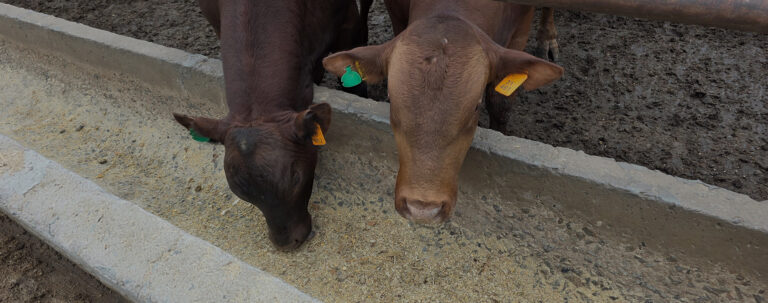
The position on cattle is considerably more sensitive, given the current FMD situation. Namibian cattle must be handled and vaccinated in the same way as South African cattle. This may require animals to move south, below the red zone in the Karas region, where they would be vaccinated and monitored in a feedlot for a minimum of two weeks before export to South Africa. “Where cattle are concerned, there is no room for shortcuts,” said Olivier. “Imported animals must meet exactly the same vaccination and handling standards as our own herd.”

Can science help prove how your beef was produced? New research suggests it can.

A newly published study explored how visible (Vis) and near-infrared (NIR) technology can be used to identify different beef production systems and support beef label claims. Researchers found that by analysing the unique spectral “fingerprint” of beef, these tools could distinguish between production systems such as grass-fed, feedlot and other farming approaches with promising levels of accuracy.

The research also showed that portable scanning devices may offer a practical, lower-cost option for verifying production claims directly at abattoirs, grading facilities or processing plants. While more testing is needed under real commercial conditions, the technology has the potential to strengthen traceability, support product authentication, and help reduce the risk of fraud in the beef value chain. As consumer demand for trusted product information grows, innovations like these could play an important role in protecting the integrity of beef markets.

Feed safety starts with knowing the risks.

The Food and Agriculture Organization of the United Nations (FAO) has published a practical manual on feed risk assessment, designed to help farmers and industry stakeholders understand and apply the process of assessing risks when animals are exposed to hazards in feed.

The manual provides simple guidance on the steps involved, the tools available, and how to apply internationally recognised Codex guidelines in practice. The manual is available free of charge through the FAO Knowledge Repository, which provides access to a wide range of agricultural and livestock resources from around the world.

Whether you’re a farmer, feed manufacturer, veterinarian, researcher, or involved in food safety and compliance, this resource can help you make more informed decisions and manage risks more effectively.

It is also intended as a training resource to support the wider use of feed risk assessment practices around the world.

Early Meat Introduction Linked to Lower Food Allergy Risk in Children

A Swedish study has investigated whether the timing of introducing complementary foods during infancy is associated with the risk of food allergies later in childhood. The study found that children who were introduced to meat earlier during their first year of life were less likely to be diagnosed with food allergies by the age of six.

What did the researchers investigate?

Researchers analysed data from the Swedish NICE birth cohort, following hundreds of children from infancy through to six years of age. Their aim was to understand whether the timing of introducing different foods during a baby’s first year could influence the risk of developing food allergies, eczema or allergic asthma later in childhood.

The study included 462 children with detailed dietary information. During the first year of life, parents completed monthly questionnaires about breastfeeding, formula feeding and the introduction of various foods, including meat, fish, eggs, dairy products, fruits, potatoes, bread, porridge and other complementary foods.

When the children reached six years of age, they were assessed by a paediatric allergy specialist, with food allergy diagnoses confirmed using standard clinical assessment and food-challenge testing where appropriate.

What did the study find?

The most notable finding was that children who were introduced to meat earlier had a lower likelihood of developing food allergies by age six.

Researchers found that:

  • Earlier meat introduction was associated with a 24% lower risk of food allergy.
  • The association remained statistically significant after adjusting for potential confounding factors.
  • The association became even stronger when children who already had food allergies at age one were excluded from the analysis.

By age six, the prevalence of allergic conditions in the study group was:

  • 3.7% had food allergies
  • 16% had atopic eczema
  • 12% had allergic asthma

What about eczema and asthma?

Interestingly, the timing of introducing foods during infancy did not appear to influence the risk of developing eczema or allergic asthma.

While researchers observed some associations with foods such as eggs and margarine, these findings were less consistent after accounting for factors such as family history of allergies and existing allergies in infancy.

What does this mean?

The findings suggest that introducing meat earlier in infancy may be linked to a lower risk of food allergy later in childhood. However, this was an observational study, meaning it can identify associations but cannot prove that earlier meat introduction directly prevents food allergies.

Every child is different, and feeding decisions should always be made in consultation with qualified healthcare professionals and according to relevant infant-feeding guidelines.

As researchers continue to investigate the relationship between nutrition and immune development, studies like this help improve our understanding of how early dietary choices may influence long-term health outcomes.

Agriculture Budget Vote Acknowledges Clear Link Between Biosecurity and Trade

Pretoria, 15 May 2026 — Red Meat Industry Services (RMIS) welcomes the commitments made by Minister of Agriculture John Steenhuisen in the 2026/27 Agriculture Budget Vote tabled in Parliament today. This commitment to biosecurity as a national economic priority, and to FMD as a long-term focus rather than a short-term crisis response, protects the jobs, livelihoods and export earnings that the red meat value chain delivers. 

“What stands out in this Budget Vote is the clarity of direction,” said Dewald Olivier, CEO of RMIS. “The Minister has put biosecurity at the centre of the national economic agenda, with an explicit link to trade. The funding for FMD, the expansion of local vaccine production, and the focus on compliance systems all protect what the value chain depends on most.” 

A Sustained Commitment, Not a Short-Term Response 

The funding commitment for biosecurity, alongside the institutional restructuring positioning it within a dedicated branch in the Department’s new organisational model, demonstrates that biosecurity is a sustained national priority. 

A Direct Link to Trade and Growth 

Agricultural exports reached R268.7 billion in the fourth quarter of 2025 alone, and the broader value chain supports close to 950,000 jobs. The Budget Vote makes the link between biosecurity and that economic footprint explicit. For red meat, this is what makes growth possible: market access at home and for export depends on disease control standards that meet what trading partners require. 

A Systems Approach to Resilience 

The Budget sets out a clear systems approach. Traceability, compliance, extension services and digital tools are being brought together rather than developed in isolation. RMIS welcomes this direction, which aligns with the practical work the red meat value chain has been doing to link traceability, vaccination support and data systems. 

RMIS will continue to work across the value chain to bring these commitments into practical operation 

Which Animals Get Foot and Mouth Disease?

Foot and Mouth Disease (FMD) remains one of the most significant animal health challenges in South Africa and worldwide. It affects livestock productivity, trade, and farmer livelihoods — making it a key focus area for animal health, traceability, and research under Red Meat Industry Services (RMIS).

So, which animals get Foot and Mouth Disease, how does it spread, and what is being done to control it? Let’s unpack everything you need to know about this highly contagious livestock disease and the role RMIS plays in strengthening South Africa’s defences against it.

What Is Foot and Mouth Disease?

Foot and Mouth Disease (FMD) is a severe, highly contagious viral infection that affects cloven-hoofed animals — animals with split hooves. It is caused by the Foot and Mouth Disease virus (Aphthovirus), which spreads quickly between herds and across borders.

The disease leads to blisters and ulcers on the mouth, tongue, teats, and hooves, causing pain, fever, and a sharp drop in milk and meat production. Although FMD has a low mortality rate in adult animals, it causes enormous economic and trade losses due to movement restrictions and export bans.

What Causes Foot and Mouth Disease?

The FMD virus exists in seven different strains — O, A, C, Asia 1, SAT 1, SAT 2, and SAT 3.
In Southern Africa, SAT (Southern African Territories) 1–3 are the most common. These strains often persist in African buffalo populations, making disease control more complex.

Transmission occurs through:

  • Direct contact between infected and healthy animals
  • Contaminated vehicles, feed, clothing, or equipment
  • Windborne spread over short distances
  • Movement of infected animals across regions or borders
  • Humans – FMD can live in a person’s throat (airway) up to 3 days, even if you feel fine, you could pass it to your animals just by breathing near them

This is why traceability and strict biosecurity controls are vital — both areas where RMIS plays a leading role.

Which Animals Get Foot and Mouth Disease?

The keyword question — which animals get Foot and Mouth Disease — can be answered simply: any cloven-hoofed animal is susceptible. However, some species are more vulnerable or act as long-term carriers.

Let’s break it down:

Cattle

  • Most susceptible hosts of the virus.
  • Show clear clinical signs: fever, drooling, and blisters on the mouth, nose, and hooves.
  • Reduced milk yield, weight loss, and secondary infections often follow.
  • Movement bans cause major economic strain on farmers and processors.

Pigs

  • Highly infectious amplifiers — they release large amounts of virus particles.
  • Often show severe blisters on the snout and feet, leading to lameness and loss of appetite.
  • FMD can devastate entire pig farms if not quickly contained.

Sheep and Goats

  • May show mild or no visible symptoms, making early detection difficult.
  • Despite appearing healthy, they can still spread the virus silently within flocks or to other species.

Buffalo and Wild Game

  • African buffalo are natural reservoirs of the SAT strains of FMD.
  • They can carry the virus for extended periods without showing symptoms.
  • The wildlife–livestock connections, particularly in conservation areas, remain one of the main challenges for disease eradication in South Africa.

Also learn about: Foot and Mouth Disease (FMD) in Animals in SA

Animals That Don’t Get Foot and Mouth Disease

Not all animals are affected by this virus. Horses, donkeys, and humans do not get Foot and Mouth Disease.

It’s important to note that the human illness called “Hand, Foot and Mouth Disease” — often seen in children — is completely different. It’s caused by a separate virus and has no connection to the livestock disease.

This clarification helps prevent confusion and unnecessary panic during outbreaks.

How Foot and Mouth Disease Spreads

The FMD virus is incredibly resilient and can survive in soil, clothing, and equipment for weeks under cool conditions. It spreads through:

  • Direct animal contact: saliva, milk, or respiratory droplets.
  • Contaminated materials: feed, vehicles, boots, tools, or bedding.
  • Airborne transmission
  • Cross-border livestock movement: one of the biggest challenges in Southern Africa.

This highlights the need for digital traceability — ensuring each animal can be tracked from farm to abattoir. RMIS’s national traceability framework helps make this possible.

Recognising the Symptoms

Quick identification is crucial. Here’s what to look for:

  • High fever followed by drooling and loss of appetite
  • Blisters and ulcers on the mouth, tongue, or lips
  • Lameness or reluctance to walk
  • Sores between hooves
  • Reduced milk production in dairy cattle
  • Weakness or sudden death in young animals

Farmers should immediately report suspected cases to local state veterinarians and/or state animal health officers.

Controlling and Preventing Foot and Mouth Disease

The Minister of Agriculture appointed the Ministerial Task Team for Controlled Diseases (MTT) to strengthen national coordination in managing FMD outbreaks. 

The team is focusing on six priority areas:

  1. Field Services & Epidemiology
  2. Diagnostics & Surveillance
  3. Vaccination
  4. Research
  5. Feedlots & Auctions
  6. Market Access

South Africa maintains a zoned control system, dividing regions into:

  • FMD-free zones (export-approved)
  • Protection zones (buffer areas)
  • Infected zones (where outbreaks have occurred)

Key prevention and control measures include:

  • Vaccination campaigns: Using locally relevant SAT-strain vaccines. RMIS recently helped coordinate the procurement of 644,000 doses to strengthen national vaccine supply.
  • Movement restrictions: Preventing spread between zones and provinces.
  • Biosecurity protocols: Cleaning vehicles, equipment, and footwear between farms.
  • Traceability Platform: Tracking livestock movements to contain outbreaks faster.

The Future of FMD Control in South Africa

RMIS’s vision aligns with the Red Meat Industry Strategy 2030 — building a resilient, traceable, and inclusive red meat value chain.

By investing in:

  • Digital traceability and animal identification systems
  • Appointing a dedicated Veterinarian
  • RMIS Operational Centre
  • Early-warning disease surveillance
  • Research through the Field to Future programme
  • Collaboration with state veterinarians and farmer associations

South Africa can reduce the frequency and severity of outbreaks — safeguarding both animal health and rural livelihoods.

Conclusion: Which Animals Get Foot and Mouth Disease?

So, which animals get Foot and Mouth Disease? Primarily cloven-hoofed species — cattle, pigs, sheep, goats, and buffalo — are at risk. While horses and humans remain unaffected, the broader impact on trade and community welfare makes FMD a national concern.

Want to know more about which animals get Foot and Mouth Disease and how to protect your herd? Stay informed through RMIS’s latest updates, vaccination insights, and traceability solutions. Contact RMIS today to help strengthen South Africa’s animal-health and biosecurity systems.

What Is Red Meat? Nutrition, Benefits & The Future

Red meat has long been a cornerstone of diets across the world — especially in South Africa, where livestock farming sustains both livelihoods and communities. But what is red meat exactly, and why does it matter so much for health, culture, and the economy?

Let’s unpack what red meat is, what makes it unique, and how it supports a sustainable and traceable food system through initiatives like those led by Red Meat Industry Services (RMIS).

What Is Red Meat?

The term red meat refers to meat that appears red when raw and darker after cooking. Scientifically, this colour comes from myoglobin, a protein found in animal muscle that stores oxygen. The higher the myoglobin content, the “redder” the meat appears.

Common examples of red meat include:

  • Beef (from cattle)
  • Lamb and mutton (from sheep)
  • Goat meat
  • Pork (from pigs)
  • Venison and other game meats

In contrast, poultry and fish are considered white meats because of their lower myoglobin levels.

In South Africa, red meat plays a vital role in everyday meals and festive traditions — from Sunday roasts to braais — reflecting both cultural identity and nutritional importance.

Nutritional Value of Red Meat

Red meat is one of the most nutrient-dense foods available. It provides a powerful mix of high-quality protein and essential vitamins and minerals.

Key nutrients in red meat include:

  • Protein: Complete source containing all nine essential amino acids
  • Iron: Especially heme iron, which is more easily absorbed by the body
  • Zinc: Supports immune function and metabolism
  • Vitamin B12: Important for nerve health and red blood cell production
  • Niacin, Riboflavin, and B6: Aid in energy metabolism

These nutrients make red meat particularly valuable for growth, repair, and overall vitality. When consumed in moderation and as part of a balanced diet, red meat contributes to healthy muscle development, strong immunity, and cognitive function.

Health Benefits of Red Meat

  1. Prevents Iron Deficiency:

Red meat is one of the best dietary sources of bioavailable iron, helping prevent fatigue, anaemia, and cognitive decline.

  1. Supports Muscle and Bone Health:

High-quality proteins in beef and lamb supply essential amino acids that aid muscle growth, tissue repair, and bone strength.

  1. Boosts Mental Focus and Energy:

B vitamins and zinc in red meat help improve concentration, energy levels, and stress management.

  1. Maintains Hormonal Balance:

Healthy fats in moderate amounts support hormone regulation and cellular function.

Myths and Misconceptions About Red Meat

Despite its benefits, red meat is sometimes misunderstood. Let’s clear up a few common myths:

  • Myth 1: All red meat is unhealthy.
    The issue lies not in the meat itself but in how it’s processed or prepared. Fresh, lean cuts of red meat can be part of a healthy diet.
  • Myth 2: Red meat always raises cholesterol.
    Lean red meats (like sirloin or fillet) contain lower saturated fat and can even improve good HDL cholesterol levels when eaten sensibly.
  • Myth 3: Plant protein can replace red meat entirely.
    While plant proteins are excellent, they often lack the complete amino acid profile that red meat provides.

Balanced consumption — around 2–3 portions per week — along with vegetables, legumes, and grains, is the healthiest approach.

Red Meat in South Africa: A Vital Industry

South Africa’s red meat industry isn’t just about food — it’s about jobs, growth, and national development.

According to the Red Meat Industry Strategy 2030, the sector contributes billions to agricultural GDP and supports thousands of producers across the value chain — from feedlots to butcheries. Over 40% of the national herd belongs to communal and smallholder farmers, making red meat production a key driver of inclusive growth.

The Role of RMIS

Red Meat Industry Services (RMIS) acts as the industry’s coordination hub, driving innovation, traceability, and sustainability across the value chain.

RMIS focuses on:

  • Traceability and Animal Health: Through its national traceability platform and GLN certification, RMIS ensures safe, transparent meat supply chains.
  • Research and Development: Via its Field to Future initiative, RMIS funds practical research that strengthens productivity and resilience.
  • Market Intelligence: RMIS publishes regular price dashboards, slaughter data, and reports that help producers and processors make informed decisions.

Sustainability and Ethical Meat Production

Consumers today want to know where their meat comes from and how it was produced. RMIS is leading this transformation through traceability and responsible farming standards.

Key aspects of sustainable red meat production include:

  • Animal Welfare: Ensuring animals are raised humanely and under good living conditions.
  • Environmental Stewardship: Promoting rotational grazing and efficient resource use to protect soil and water.
  • Disease Control: Supporting early warning systems for Foot-and-Mouth Disease (FMD) and other threats.
  • Inclusive Growth: Empowering smallholder farmers with training, market access, and digital tools.

Together, these efforts strengthen South Africa’s reputation as a producer of safe, ethical, and high-quality red meat.

How to Choose and Prepare Red Meat

To enjoy red meat healthily and sustainably, consider the following tips:

When buying:

  • Look for bright red, firm cuts with minimal visible fat.
  • Support local, traceable producers where possible.
  • Opt for lean cuts like sirloin, rump, or fillet.

When cooking:

  • Avoid over-charring — it can form harmful compounds.
  • Use gentle cooking methods like grilling or baking.
  • Pair with fibre-rich sides such as vegetables or whole grains.

When eating:

  • Balance portion sizes (about the size of your palm).
  • Limit processed meats (like sausages) in favour of fresh cuts.
  • Combine red meat with plant-based foods for complete nutrition.

Do you know the: Red Meat Prices in South Africa 2025

The Future of Red Meat in South Africa

The future of red meat is about responsibility and innovation. With global demand rising, South Africa’s producers are focusing on traceability, carbon reduction, and digital data systems to stay competitive and sustainable.

Through RMIS-led programmes, the industry is building a resilient, transparent, and tech-driven value chain that benefits producers, consumers, and the planet.

Conclusion: What is Red Meat?

So, what is red meat? It’s more than just a source of protein — it’s a symbol of heritage, livelihood, and progress. From the farmer’s field to the dinner table, red meat connects people, communities, and economies. With the right balance of nutrition, ethics, and innovation, South Africa’s red meat sector can continue to thrive — ensuring that every cut is produced responsibly, traceably, and sustainably.

Want to learn more beyond what is red meat and how South Africa’s red meat industry drives traceability, sustainability, and growth? Contact RMIS today to partner in building a stronger, future-ready red meat value chain.

Landmark FMD Study to Reform Slaughter Regulations and Reduce Industry Losses

Pretoria, South Africa – Red Meat Industry Services (RMIS), in collaboration with the University of Pretoria and Zoetis, just launched a research initiative to investigate one of the red meat industry’s most costly challenges: the economic impact of Foot-and-Mouth Disease (FMD) virus persistence in slaughtered cattle.

The study, “Evidence-Based Risk Reduction for FMD Virus Persistence at Slaughter”, will generate the scientific evidence required to revise current slaughter regulations that impose blanket restrictions on meat from FMD-recovered cattle. These restrictions are not only outdated but also result in significant wastage, especially of offal and other by-products, causing financial strain across the red meat value chain.

Led by Professor Armanda Bastos from the Faculty of Veterinary Science at the University of Pretoria, the expected outcomes include:

  • Phase 1A: Determine if deboning is necessary at 15 days post-Day Zero and quantify carrier prevalence
  • Phase 1B: Identify virus persistence sites in heads, glands, and offal to guide safe trade and policy revision
  • Phase 2: Develop a serological test to distinguish carriers from recovered animals, as a critical first step to development of pen-side screening tests
  • Phase 3: Assess the impact of different vaccines on virus clearance

The project, along with eight others, is a direct response to RMIS’s Field to Future framework, an industry-informed process to identify the real-world challenges faced by farmers, feedlots, abattoirs, and other value chain stakeholders.

“This is one of the most important research investments RMIS will make,” said Dewald Olivier, CEO of RMIS. “Foot-and-Mouth Disease continues to cost the red meat industry millions in lost value every year because of outdated regulations that don’t reflect current science. This research is about changing that, to protect the livelihoods of every role player in the red meat value chain.”

Prof Armanda Bastos, Director of the Hans Hoheisen Research Centre in the Kruger National Park stressed that: “The research showcases the rapid strides that can be made when different sectors pool expertise and resources to address the wide-reaching regulatory impacts of FMD. It will set a new benchmark for evidence-led, rapid response to the SAT-type virus outbreaks.”

Dr Ralf J. Patzelt, Business Unit Director, Livestock at Zoetis, shared the following:

“As the world’s leading animal health company, we are fully committed to the wellbeing and sustainability of the red meat industry in South Africa. By sponsoring this crucial research project together with the University of Pretoria and the Red Meat Industry Services (RMIS) we are demonstrating our dedication to supporting everyone involved in the red meat value chain, from producers and feedlots to processors and marketers.”

“Foot and Mouth Disease (FMD) poses significant challenges to the industry, leading to extensive losses and threatening livelihoods. Our support for this study reflects our determination to help the industry find science-based solutions that minimise wastage, strengthen regulatory confidence, and safeguard trade credibility. We believe that investing in evidence-based FMD risk management is essential for the future resilience and growth of South Africa’s livestock sector.”

“Through this sponsorship, we reaffirm our commitment to partnership, innovation, and the advancement of animal health. Together, we aim to reduce unnecessary losses caused by FMD and contribute to a more sustainable and prosperous future for all stakeholders in the red meat industry.”

Want to learn more about the research RMIS funds?
https://rmis.co.za/research/

Do you have an idea for research in the industry?

Share Your Research Ideas with Us, your insights matter!