
RMIS Traceability
Traceability protects animal health, strengthens the red meat value chain, and opens access to local and global markets.
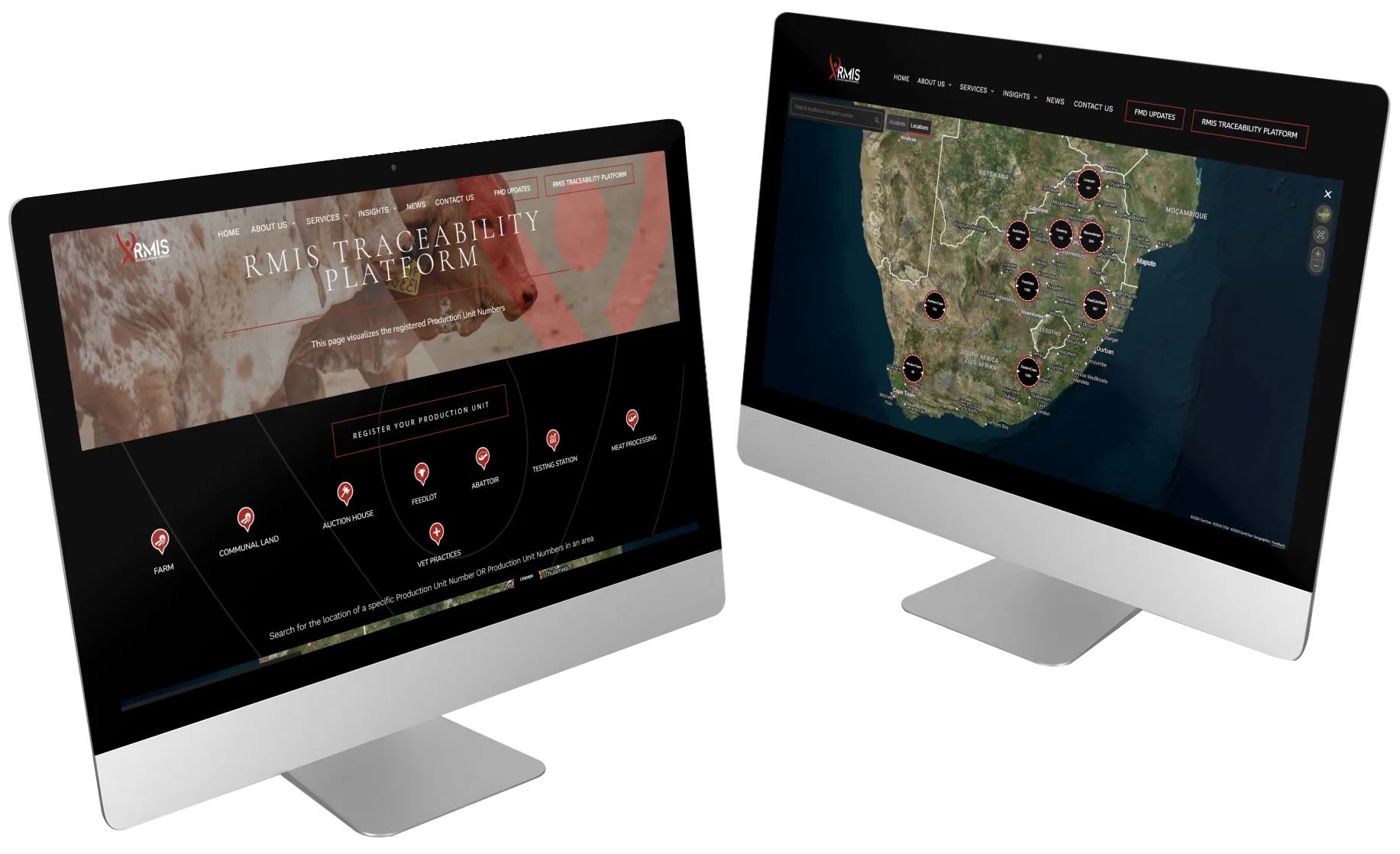
The RMIS Traceability Platform connects farms, auctions, feedlots, and abattoirs into one secure national network.
Register your farm, tag your animals, and connect your livestock management system to become part
of a transparent and trusted red meat industry.


Why Traceability Matters
The global meat industry is changing rapidly. Markets increasingly demand transparency, disease control, and verified production practices.
Without reliable traceability, producers risk losing access to valuable markets and face greater vulnerability during disease outbreaks..

How The Traceability Platform Helps You

Immediate Direct Disease Alerts
Receive WhatsApp notifications when an FMD outbreak is detected within 30 km of your location, helping you act fast and safeguard your herd.

Public Disease Mapping
Access live, publicly available maps showing real-time Foot and Mouth Disease outbreaks across the country.

Verify the Origin of Livestock
Easily confirm where animals come from by requesting the seller’s Global Location Number and verifying it directly on the RMIS website.
Access to Formal Markets
Meet the growing demand for traceability as local markets increasingly require a Global Location Number when purchasing weaner calves.
A National Traceability System for South Africa
The RMIS Traceability Platform connects livestock management and record-keeping systems across the country to create a unified national traceability network.
Instead of replacing existing farm, auction, feedlot and abattoir systems, RMIS integrates with them. Farmers and livestock managers can continue using their preferred software while securely sharing traceability information with the industry platform.
This Approach Ensures:

Minimal disruption to current farm practices
No need to change the way you already manage your animals

Full compatibility with existing livestock management systems
Working with the tools you know and trust

Your production data stays with you
It is stored within your chosen farm system, not centrally owned
Secure data exchange between systems
Only the necessary movement information is shared, safely and transparently.
The platform enables collaboration across the entire value chain, from producers to processors and regulators.
How Traceability Works
The process is designed to be simple and practical for farmers and livestock managers.

Step 1
Create Your
Profile
Register on the RMIS Traceability Platform and identify your location. You will receive a unique Global Location Number.

Step 2
Tag Your
Animals
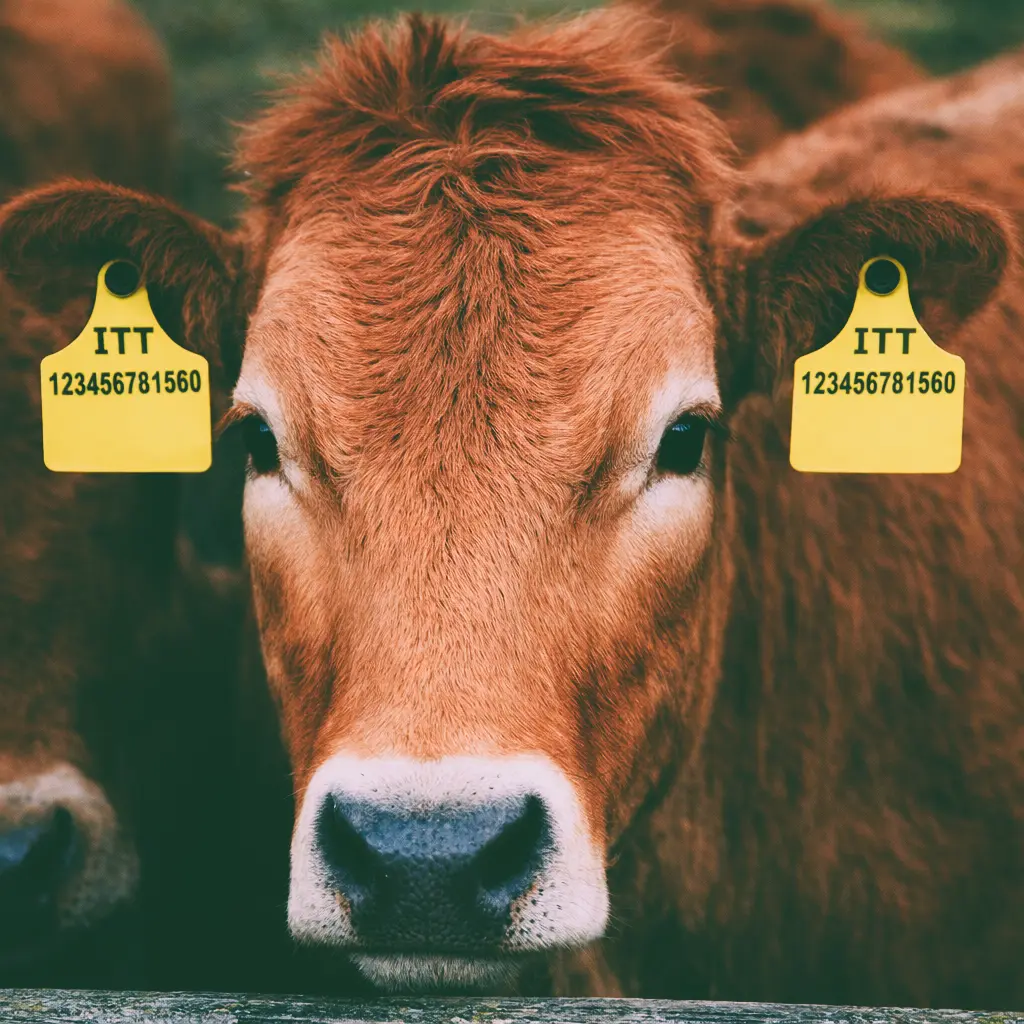
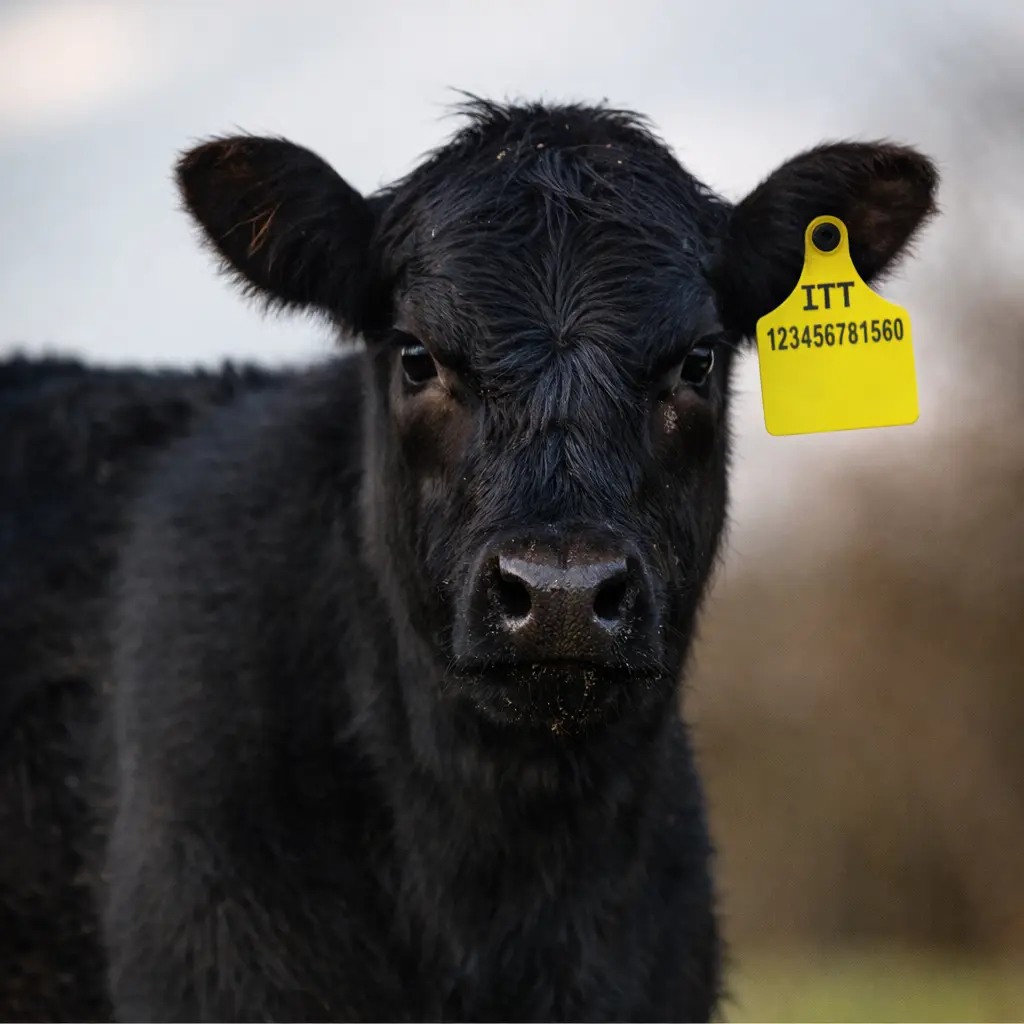
Animals must be identified using approved industry traceability ear tags with an ICAR number printed on or embedded in the tag.

Step 3
Use a Digital
Livestock System
Record animal information on a compatible livestock management system.

Step 4
Link Your RMIS Profile
With Your System
Log into your RMIS profile and create a Traceability Token. Share this token with your livestock management system.

Step 5
Sync Your
Records
Continue recording animal movements as normal. Your data automatically syncs to the RMIS platform.
Video Guidelines
The videos below explain how the platform works and how you can start using it.
How the RMIS Traceability Platfrom Works
Create a profile on the RMIS Data Exchange Platform
Record Livestock Movement on the RMIS Mobile App
Record FMD Vaccinations on the RMIS Mobile App
Integrated Livestock Management Systems
The RMIS Traceability Platform integrates with multiple livestock management systems used across South Africa.
These systems allow producers to record animal identification, movements, and production data while automatically sharing relevant traceability information with RMIS.
AIMS Eastern Cape
Sector: Farm
Teresa Barkhuizen
aims.farm
info@agriec.co.za
041 363 1890
AIMS Free State
Sector: Farm
Jack Armour
aims.farm
aims@vslandbou.co.za
051 444 4609
AIMS Northern Cape
Sector: Farm
Yolande Botha
aims.farm
rponc@rpo.co.za
067 597 1866
AIMS Western Cape
Sector: Farm
Helena van Eeden
aims.farm
021 860 3806
Cattle IQ
Sector: Farm, Feedot
Dawie Faurie
dawiefaurie@iplan.global
083 584 6993
Benguelasoft
Sector: Farm
Datamars Livestock
Sectors: Farm, Auction House, Feedlot, Abattoir
FlexiAuction
Sector: Auction House
Wihan Kotze
flexiauction.net
wotze@flexiauction.com
072 110 4050
Gigalot
Sector: Feedlot
Dawie Fourie
dawie@gigalot.co.za
083 273 5673
HerdMASTER
Sector: Farm
Jeanine Labuschagne
lrf.co.za
herdmaster@lrf.co.za
081 844 4853
Logix IDtrack
Sector: Farm
Herman Labuschagne
studbook.co.za
info@studbook.co.za
051 410 0900
Matrix Software
Sector: Abattoir
Pointr Solutions
Sector: Feedlot
Daniel Rautenbach
pointrsolutions.co.za
daniel@pointrsolutions.co.za
061 491 8627
Webroute Services
Sector: Farm
Bloutand Cattle Tracking
Sector: Farm
Dylan Theron
bloutand.co.za
traceability.agriec.co.za
dylan@farmspace.co.za
071 160 7514
AgriWebb
Sector: Farm
Louise Lotter
agriwebb.com
louise.lotter@agiwebb.com
072 495 5900

Farmcon
Gallagher
Sector: Farm, Abattoir
Benard Willemse
gallaghersa.co.za
benard.willemse@gallagher.com
081 038 0173
Ketendo
Sector: Abattoir

RMIS Free App
Sector: Farm
Approved Traceability Tag Suppliers
Traceability depends on reliable animal identification. Approved suppliers provide industry-compliant ear tags with ICAR numbers.
Allflex
allflex.global/sa
allflexssasales@msd.com
021 854 8877
Madelene Brits
087 086 3305
Joshua Pietersen
087 086 3301
Datamars Livestock
Samantha Janse van Rensburg
orders.za@datamars.com
063 690 0915
Servecom
Emile Kilian
servecom.co.za
emile@servecom.co.za
082 308 3248
Traceability Code of Practice
The traceability initiative for the South African red meat industry is guided by a structured Code of Practice that ensures consistency, accountability, and alignment with national and international standards.
Developed in collaboration with the Department of Agriculture, this document outlines the initiative’s purpose of strengthening disease management, meat safety, and market access.
It is supported by key legislation, global standards, and secure data practices, while emphasizing collaboration across the value chain. For full details, download the complete Code of Practice document below.
RMIS Digital Ecosystem
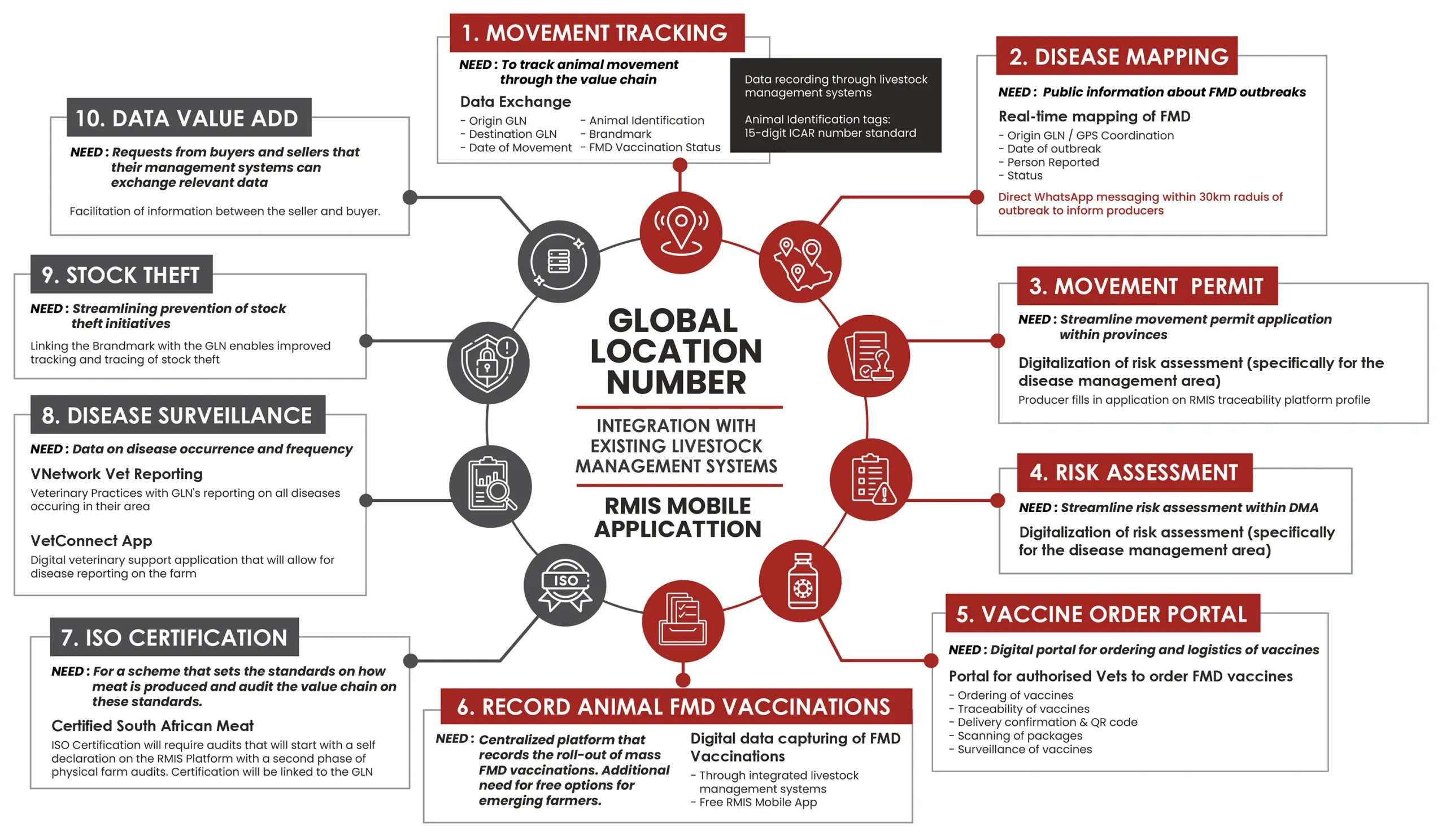
The Global Location Number (GLN) is an internationally recognised identifier that links each farm’s geo-fenced location to the RMIS Traceability Platform.
This creates a strong foundation for an integrated industry ecosystem that can grow and expand over time.
How Industry Role Players Work With RMIS
Traceability is a coordinated effort across the entire red meat industry.
Every producer who adopts traceability and shares accurate information helps to build:

Stronger Biosecurity Systems

Better Disease Management

Improved Market Access

Greater Consumer Confidence
Together, the industry can create a transparent and globally competitive red meat sector.
Start Your Traceability Journey
Joining the RMIS Traceability Platform is simple, and support is available to help producers get started.
Register your profile, tag your animals, and connect your livestock management system to begin participating in South Africa’s national traceability network.