RMIS NEWS

Filter By Category
Select some options
Filter By Category
Filter By Post Date
Select Date

Red Meat Prices in South Africa 2025

Red Meat Prices in South Africa are shifting in 2025 as supply, demand, and biosecurity pressures reshape the market. Producers, processors, retailers, and consumers all feel the impact. This article explains key drivers, recent trends, and what to watch, helping stakeholders plan with greater confidence and respond proactively to volatility.

Why Red Meat Prices Matter

Red meat prices play a vital role in South Africa’s economy and daily life. As one of the country’s most consumed protein sources, fluctuations in beef, lamb, and pork prices directly affect household budgets, consumer spending, and even national food security. When prices rise sharply, families often adjust their shopping habits — opting for cheaper cuts, smaller portions, or alternative proteins.

From an economic standpoint, red meat is a key indicator of agricultural health and market stability. Farmers depend on fair prices to sustain production, cover feed and transport costs, and reinvest in livestock operations. Retailers and butchers, in turn, must balance affordability with profitability while navigating changing demand patterns.

At a broader level, consistent price monitoring helps policymakers and businesses make informed decisions. It reveals underlying issues such as supply chain pressures, climate impacts, or trade fluctuations that could affect the entire food ecosystem.

In summary:

  • Red meat prices reflect the economic health of the agricultural sector.
  • They influence consumer affordability and purchasing trends.
  • They help predict shifts in supply, demand, and production costs.

Understanding why red meat prices matter provides essential context for interpreting South Africa’s 2025 pricing trends.

Also read: Foot and Mouth Disease (FMD) in Animals in SA

Core Drivers of 2025 Prices 

The red meat prices in South Africa for 2025 are being shaped by several interlinked economic and environmental factors. Understanding these drivers provides valuable insight into current and future market trends.

1. Feed & Fuel Costs

Feed remains the largest expense in livestock farming. Rising global grain and fuel prices have elevated production and transportation costs, leading to higher retail prices across beef, lamb, and pork.

2. Weather & Climate Conditions

Unpredictable rainfall patterns and drought conditions in key regions have reduced grazing capacity. Farmers have been forced to purchase supplementary feed, putting additional pressure on margins and meat supply.

3. Rand Exchange Rate

Currency fluctuations continue to impact input costs. A weaker rand increases the price of imported feed and veterinary supplies but boosts export competitiveness, creating local supply shortages.

4. Load Shedding & Logistics

Energy instability and transport inefficiencies have inflated cold-chain and delivery costs, affecting price consistency across provinces.

5. Global Demand & Exports

Strong export demand from the Middle East and Asia for premium cuts has limited domestic availability, driving up local market prices.

Collectively, these factors underscore how 2025’s red meat pricing trends are shaped by both domestic challenges and international market forces.

Also learn about: Red Meat Industry in SA: Everything You Need to Know

Red Meat Prices in South Africa 2025 

As of mid-2025, the A2 carcass beef price hovers around R 80–85/kg, reflecting moderate upward pressure from export demand and input costs. Retail beef cuts (e.g. sirloin, rump, chuck) show more variation, ranging between R 130 and R 220/kg, depending on region, grade, and cut. 

In the sheep meat sector, recovery in A-grade carcass prices has pushed averages to roughly R 75–80/kg, a 14.5 % increase over the past four months. Retail lamb prices mirror this trend, though with added premiums for high-end cuts.

Key observations:

  • Carcass vs retail gap: The difference between A2 carcass and retail cuts remains significant (typically 50 %+), reflecting costs of processing, distribution, and wastage.
  • Regional variation: Prices in remote or high-cost provinces (e.g. Northern Cape, some rural Eastern Cape zones) tend to be 5–10 % higher due to transport and cold-chain constraints.
  • Year-on-year comparison: Compared to 2024, beef A2 has moved sideways to slightly upward, while sheep meat shows stronger relative gains.

Overall, 2025’s red meat price landscape balances tight export-driven demand with domestic cost pressures, making premium cuts especially sensitive to market dynamics.

For more detail on Red Meat Prices, use the following tool that will answer all your questions: RMIS Red Meat Prices

Market Outlook & Consumer Trends

The outlook for red meat prices in South Africa in late 2025 remains cautiously optimistic, with a mix of stabilising and inflationary trends expected. Industry forecasts suggest that beef and lamb prices will remain firm through the remainder of the year, supported by steady export demand and moderate herd rebuilding. However, rising feed and energy costs could keep production expenses elevated, preventing significant price relief for consumers.

From a consumer perspective, shifting behaviour is becoming increasingly evident:

  1. Value-driven purchasing – Shoppers are opting for more affordable cuts, mince, or mixed packs rather than premium steak cuts.
  2. Bulk buying and promotions – Retailers are seeing stronger uptake of special offers and monthly combo deals as households seek savings.
  3. Protein substitution – A growing number of consumers are turning to chicken, plant-based proteins, or smaller meat portions to manage budgets.
  4. Transparency demand – There’s heightened interest in traceability and ethical sourcing, with consumers preferring locally produced meat where possible.

In the long term, a balanced recovery in grazing conditions and stable inflation could bring gradual relief to both farmers and consumers. Still, price volatility will likely remain a key feature of South Africa’s red meat market heading into 2026.

Conclusion

In summary, red meat prices in South Africa in 2025 reflect a delicate balance between rising production costs, export demand, and shifting consumer behaviour. While prices remain relatively high, improved rainfall and stable market conditions could ease pressure over time, ensuring a more sustainable outlook for producers and consumers alike.

Stay informed with the latest red meat market insights and live pricing updates from RMIS. Our platform helps farmers, retailers, and consumers make data-driven decisions. Visit rmis.co.za or contact us for expert support, customised reports, and real-time industry data that keeps you ahead of the market.

Red Meat Industry in SA: Everything You Need to Know

The red meat industry plays a vital role in South Africa’s economy, food security, and rural development. Supporting thousands of farmers and value-chain partners, it faces both challenges and opportunities. By addressing health, sustainability, and market access, the industry can unlock long-term growth and resilience for the future.

The Role of the Red Meat Industry in South Africa

The red meat industry is a vital pillar of South Africa’s agricultural economy, shaping livelihoods, food systems, and trade. Its influence can be seen across several key areas:

  1. Economic Contribution
    • Provides income for both commercial and communal farmers.
    • Supports thousands of jobs in farming, transport, abattoirs, processing, retail, and exports.
  2. Food Security & Nutrition
    • Supplies affordable and accessible protein to millions of households.
    • Delivers essential nutrients such as iron, zinc, and vitamin B12.
  3. Rural Development
    • Strengthens rural economies by sustaining smallholder farmers.
    • Enables community resilience through livestock ownership and market participation.
  4. Trade & Market Access
    • Domestic demand ensures a stable foundation for the industry.
    • Export opportunities help South Africa compete globally, boosting growth and visibility.
  5. Value Chain Integration
    • Farmers, abattoirs, processors, retailers, and regulators form an interconnected network.
    • This collaboration ensures consistent supply, quality assurance, and competitiveness.

By driving both social and economic impact, the red meat industry extends its role far beyond primary production, positioning itself as a cornerstone of South Africa’s inclusive and resilient agricultural future.

Get the latest, most reliable slaughter statistics here

Current Challenges Facing the Industry

Despite its importance, the red meat industry in South Africa faces several challenges that affect growth, competitiveness, and sustainability. These include:

  1. Animal Health Risks
    • Outbreaks of Foot-and-Mouth Disease (FMD) and other livestock diseases disrupt supply chains.
    • Biosecurity concerns increase costs for farmers and restrict animal movement.
  2. Market Barriers
    • Disease incidents often result in export bans, limiting global market access.
    • Compliance with international trade standards requires significant investment.
  3. Infrastructure & Market Access Gaps
    • Small-scale and communal farmers often lack access to formal markets.
    • Premium consumers increasingly demand traceability, sustainability, and animal welfare assurances.
  1. Sustainability & Environmental Pressures
    • Predation leads to livestock losses, affecting farmer income.
    • Climate change and land degradation place added strain on production systems.
  2. Economic Volatility
    • Rising feed and input costs reduce profitability.
    • Fluctuating demand and price instability challenge long-term planning.

Addressing these obstacles is essential for the sector to remain competitive. By improving disease management, strengthening infrastructure, and promoting inclusive growth, the red meat industry can overcome barriers and position itself for sustainable success.

Take a look at this interactive map of reported Foot-and-Mouth Disease cases

Opportunities for Growth

While challenges exist, the red meat industry in South Africa also holds significant opportunities for expansion, innovation, and inclusivity. Some of the most promising growth areas include:

  1. Expanding Market Access
    • Formalising supply chains for communal and small-scale farmers.
    • Increasing the number of weaners entering the formal market to meet rising demand.
  2. Traceability & Biosecurity
    • Adoption of digital traceability platforms improves disease control and product transparency.
    • Enhanced biosecurity strengthens consumer and trade partner confidence.
  3. Mobile Processing Units (MPUs)
    • Delivering mobile cattle handling facilities directly to rural communities to bridge critical infrastructure gaps.
    • By bringing the facilities to farmers, the need for animal movement is reduced.
    • This approach not only improves access to services but also helps limit the spread of animal diseases through reduced transport.
    • Enable smallholder farmers to access formal markets and fair pricing.
  4. Export Growth
    • Opportunities to expand exports to new international markets.
    • Compliance with global standards can unlock premium prices and build brand reputation.
  5. Innovation & Research
    • Investment in R&D through initiatives like Field to Future that focus on addressing the on-the-ground issues and gaps within the industry.
    • Adoption of modern farming techniques and sustainable practices to boost productivity.

By leveraging these opportunities, the red meat industry can drive inclusive growth, enhance competitiveness, and secure a resilient future for all stakeholders.

Use this interactive map to locate animal diseases

The Red Meat Industry Strategy 2030

To ensure long-term growth and resilience, the red meat industry has developed the Red Meat Industry Strategy 2030, a roadmap designed to address current challenges while unlocking future opportunities. The strategy is built on four key pillars:

Animal & Public Health

  • Focus on controlling diseases such as Foot-and-Mouth Disease (FMD).
  • Strengthening biosecurity and animal welfare standards across the value chain.

Market Access

  • Expanding domestic and export opportunities by meeting international trade requirements.
  • Building trust through transparent systems like traceability platforms.

Inclusive Growth

  • Supporting small-scale and communal farmers to integrate into the formal economy.
  • Providing access to training, mobile handling facilities, and sustainable market participation.

Competitiveness & Sustainability

  • Encouraging innovation and research through initiatives like Field to Future.
  • Promoting environmentally responsible and economically viable farming practices.

This strategy aligns industry stakeholders, government, and service providers to work collectively towards shared goals. By 2030, the aim is to build a red meat industry that is competitive, sustainable, inclusive, and trusted, ensuring benefits for farmers, consumers, and the broader South African economy.

Read the latest FMD update: Steps to apply for an animal movement permit within the DMA

Conclusion

The red meat industry remains a cornerstone of South Africa’s agricultural and economic landscape. By addressing challenges, embracing innovation, and driving inclusive growth, it can secure long-term sustainability. Guided by the Red Meat Industry Strategy 2030, the sector is positioned to strengthen food security, market access, and national resilience.

Partner with RMIS in shaping the future of South Africa’s red meat industry. Stay informed with our latest reports, training opportunities, and initiatives that drive growth and resilience. For more information or to connect with our team, feel free to contact us today.

Foot and Mouth Disease (FMD) in Animals in SA

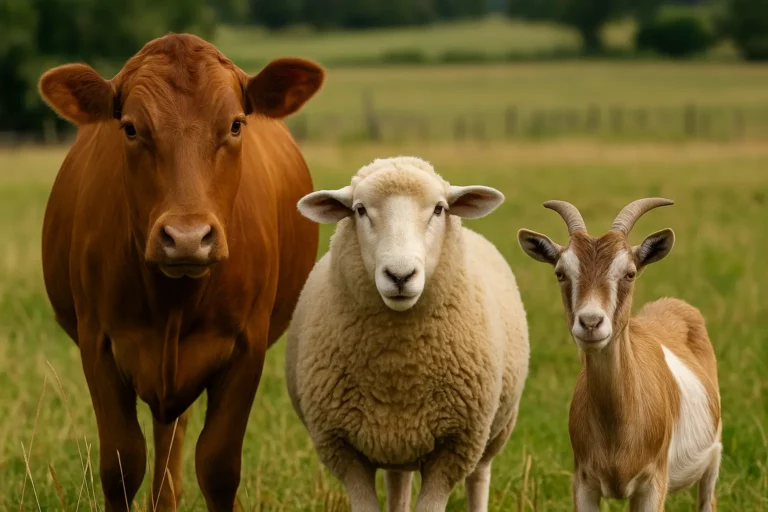
Foot and Mouth Disease is a state-controlled disease and a serious animal health threat facing South Africa. This highly contagious viral illness affects cattle, sheep, and goats, disrupting farming and trade. Effective prevention and control are essential to protect livestock, safeguard farmers’ livelihoods, and strengthen the red meat industry.

What is Foot and Mouth Disease in Animals?

Foot and Mouth Disease (FMD) is a highly contagious viral illness that affects cloven-hoofed animals. It remains one of the most serious threats to livestock health in South Africa and worldwide. Key details include:

Animals Affected

  • Cattle, pigs, sheep, goats, and some wild game species.
  • Young animals (calves, lambs) are particularly vulnerable to high mortality.

Cause & Transmission

  • Caused by an Aphthovirus that spreads quickly between herds.
  • Transmission occurs through direct animal contact, contaminated feed, water, or farm equipment.

Symptoms

  • Fever and reduced appetite.
  • Painful blisters on the mouth, tongue, hooves, and teats.
  • Lameness, weight loss, and a sharp decline in milk production.

Human Impact

  • Foot and mouth disease does not infect humans, but it severely disrupts trade and farming operations.
  • Outbreaks often lead to animal movement restrictions, trade bans, or culling.

By understanding these basics, farmers and stakeholders can prioritise early detection, vaccination, and strong biosecurity to protect animal health and safeguard livelihoods.

Stay updated with foot and mouth disease: Foot-and-Mouth Disease (FMD) Updates

How Foot and Mouth Disease Affects Animals

Foot and Mouth Disease (FMD) has a direct and severe impact on livestock health, welfare, and productivity. Once animals are infected, the consequences can be long-lasting and economically damaging. Key effects include:

  1. Reduced Productivity
    • Milk production drops sharply in dairy cows due to fever and mouth lesions.
    • Weight gain in beef cattle slows, reducing overall growth and market readiness.
  2. Animal Welfare Issues
    • Painful blisters on the mouth, tongue, and hooves make eating and walking difficult.
    • Lameness often results, limiting mobility and increasing vulnerability to secondary infections.
    • Mastitis in dairy cows, which results in culling.
  3. Impact on Young Animals
    • Calves, lambs, and piglets are especially at risk, with higher mortality rates.
    • Growth and development are stunted, reducing future productivity.
  4. Long-Term Health Effects
    • Even after recovery, animals may suffer reduced fertility and ongoing weakness.
    • Herd performance declines, requiring additional resources for recovery.
  5. Indirect Consequences
    • Farmers may be forced to cull infected animals to stop further spread.
    • Loss of valuable breeding stock disrupts herd development for years.

Overall, foot and mouth disease undermines both the health of animals and the economic security of farmers, making prevention and early control measures absolutely vital.

Read the latest foot and mouth disease update: Steps to apply for an animal movement permit within the DMA

Economic and Industry Implications

Foot and Mouth Disease (FMD) does not only harm animal health; it also places enormous strain on the broader livestock industry and national economy. The main implications include:

Farmer Losses

  • Reduced milk yields, lower weight gain, and animal deaths cut into profits.
  • Culling of infected herds leads to immediate financial setbacks and loss of valuable breeding stock.

Trade Restrictions

  • Outbreaks often trigger export bans on red meat and live animals.
  • Loss of international market access undermines competitiveness and revenue.

Market Instability

  • Domestic prices fluctuate as supply is disrupted.
  • Consumers may shift buying behaviour due to safety concerns.

Value Chain Disruptions

  • Abattoirs, feedlots, and transporters experience delays and reduced throughput.
  • Rural communities relying on livestock income face economic hardship.

National Economic Impact

  • Agriculture’s contribution to GDP weakens during prolonged outbreaks.
  • Emergency disease control measures increase government and industry costs.

Ultimately, foot and mouth disease threatens both livelihoods and food security, highlighting why strict control and rapid response are essential for protecting the red meat industry.

Take a look at this interactive map of reported Foot-and-Mouth Disease cases

How Foot and Mouth Disease Spreads Among Animals

Foot and Mouth Disease (FMD) is highly contagious, and its rapid spread makes it one of the most difficult livestock diseases to control. Transmission occurs through several pathways:

  1. Direct Animal Contact
    • Sick animals spread the virus through saliva, milk, breath, and secretions.
    • Herds grazing or drinking water together are at high risk.
  2. Contaminated Surfaces
    • Farm equipment, feeding troughs, and water sources can carry the virus.
    • Transport Vehicles and tools that move between farms often act as carriers.
  3. Human Movement
    • Clothing, shoes, and hands of farmworkers or visitors can transport the virus unknowingly.
    • Lack of biosecurity measures increases the risk of accidental spread.
  4. Animal Movement & Trade
    • Moving infected animals across regions or borders rapidly spreads the disease.
    • Informal or uncontrolled markets increase exposure.
  5. Environmental Persistence
    • The virus can survive for weeks in soil, hay, and manure under cool conditions.

Because foot and mouth disease spreads so easily, strict quarantine, movement control, and hygiene practices are essential to stop outbreaks from escalating.

Stay updated with the latest animal disease reports and insights here.

Prevention and Control Measures

Controlling Foot and Mouth Disease (FMD) requires a combination of strong biosecurity, rapid response, and long-term prevention strategies. Key measures include:

Quarantine & Movement Control

  • Infected farms are isolated to stop further spread.
  • Animal movement is restricted within Disease Management Areas.

Vaccination

  • Strategic vaccination campaigns in high-risk zones reduce outbreaks.
  • Regular booster doses help maintain herd immunity.

On-Farm Biosecurity

  • Farmers must disinfect equipment, vehicles, and footwear.
  • Limiting visitors and controlling herd contact reduces exposure.

Traceability Systems

  • Digital platforms track animal movements and incidents in real time.
  • Quick reporting ensures faster containment during outbreaks.

Government & Industry Collaboration

  • Joint efforts provide resources for surveillance, testing, and farmer support.
  • Coordinated communication ensures stakeholders act swiftly and consistently.

Through consistent application of these measures, the livestock sector can significantly reduce the risk of foot and mouth disease outbreaks and protect both animal health and farmer livelihoods.

Register your production unit now: RMIS Traceability Platform

Conclusion

Foot and Mouth Disease remains one of the greatest threats to livestock health and farming in South Africa. By strengthening prevention, investing in biosecurity, and supporting coordinated responses, the industry can reduce outbreaks. Protecting animals against foot and mouth disease is essential for safeguarding farmers, trade, and national food security.

Join RMIS in the fight against Foot and Mouth Disease by staying informed, implementing strong prevention measures, and supporting industry-wide initiatives. Together, we can protect livestock and strengthen South Africa’s red meat sector. For more details or support, feel free to contact us today.

RMIS Releases Second Edition of Red Meat Industry Report

Pretoria, 5 August 2025 – The Red Meat Industry Services (RMIS) has released the much-anticipated second edition of its Red Meat Industry Report, a biannual publication offering a critical snapshot of market dynamics, trade performance, production forecasts, and disease risk assessments impacting South Africa’s red meat value chain.

This edition, developed in partnership with BFAP and funded through the Red Meat Statutory Levy, provides valuable context for industry stakeholders as the sector navigates both emerging opportunities and renewed challenges – most concerningly, the resurgence of Foot and Mouth Disease (FMD).

Inside the Report: What stakeholders must know

The report deep dives into the resurgence of Foot and Mouth Disease (FMD), detailing its implications for trade, pricing, and disease management strategies. It examines the role of veterinary services, public and private sector responses, and the evolving importance of traceability and biosecurity.

Additional sections analyse profitability trends, carcass weights, slaughter volumes, and why sustained recovery hinges on lowering feed prices and stabilising disease management. 

Market Recovery Faces Setback

Following a promising first quarter in 2025 marked by record beef exports and firming producer prices, recent outbreaks of Foot and Mouth Disease (FMD) have cast a shadow on progress. Notably, China implemented a ban on South African beef imports in May 2025, compounding pressure on domestic pricing and trade.

“The industry was beginning to regain real momentum, but FMD outbreaks continue to blindside progress, halting export gains and destabilising domestic pricing,” said Dewald Olivier, CEO of RMIS. “We need swift and coordinated containment efforts and a renewed commitment to biosecurity and traceability, which are no longer optional, they are fundamental to our market credibility.”

View the complete report here.

RMIS Announces FMD Working Group and Progress on Strategic Response Plan

Pretoria, 17 June 2025 — Following the activation of its Operational Centre (OC) and the rollout of Phase 1 of its coordinated response to the escalating Foot-and-Mouth Disease (FMD) outbreak, Red Meat Industry Services (RMIS) is actively implementing the key actions set out in its initial response plan. These include the formal appointment of the FMD Working Group and the initiation of critical actions to manage the outbreak, safeguard market access, and strengthen the red meat industry’s long-term resilience.

The FMD Working Group has been formally appointed and includes leading experts in veterinary science, diagnostics, disease control, and industry representatives. The group is mandated to guide a structured, time-bound response focused on vaccination, disease containment, and the development of sustainable biosecurity systems.
The formal response plan was drafted by Prof Dietmar Holm, Professor at the University of Pretoria’s Faculty of Veterinary Science. He worked independently from the Working Group’s internal deliberations to ensure the final document remained objective, clear, and unbiased, while still reflecting the group’s shared strategic direction.

FMD Working Group Members:

  • Dr Baty Dungu – Veterinary & Vaccinology Specialist
  • Prof Francois Maree – Centre for Viral Zoonosis, Dept of Medical Virology, University of Pretoria
  • Dr Gerhard Neethling – General Manager, Red Meat Abattoir Association (RMAA)
  • Dr Livio Heath – Research Team Manager: Vaccine Production, ARC Onderstepoort Veterinary Institute
  • Dr Mark Chimes – Programme Manager: Animal Health & Welfare, Milk SA
  • Dr Peter Evans – CEO, South African Pork Producers Organisation (SAPPO)
  • Dr Kabols le Riche – RMIS Board Director: Animal & Public Health
  • Dr Danie Odendaal – CEO, Veterinarian Network
  • Dr Dirk Verwoerd – Feedlot Veterinarian, Karan Beef
  • Dr Shaun Morris – Consulting Feedlot Veterinarian
  • Dr Stuart Varrie – Industry Veterinarian: Wool
  • Dr Hendrik Hansen – Private Veterinarian: FMD Forum
  • Dr Adriaan Olivier – Industry Veterinarian: Ostrich
  • Dr Anthony Davis – Private Veterinarian: Dairy
  • Dr Phillip Oosthuizen – COO, Red Meat Industry Services (RMIS)
  • Dr Frikkie Mare – CEO, Red Meat Producers Organisation (RPO)

As the response progresses, RMIS will continue to communicate further updates and developments as they are confirmed.

RMIS Launches ‘Field to Future’ – A Practical Research Strategy for Red Meat Industry Progress

23 April 2025 | Pretoria – The Red Meat Industry Services (RMIS) officially launched its “Field to Future” process—a practical research and development (R&D) framework designed to align South Africa’s red meat sector with its 2030 growth ambitions. Stakeholders from across the red meat value chain joined the webinar for an introduction to the new, industry-led innovation process designed to shape a resilient and globally competitive future for South Africa’s red meat sector.

As part of this initiative, RMIS is activating eight thematic Focus Area Groups from23–24 April 2025. These groups will drive the bottom-up identification of key industry challenges and solutions, acting as the first filter in the R&D funnel. Participants include producers, veterinarians, researchers, processors, and market experts—all uniting to define priorities across areas such as animal health, meat safety, inclusive growth, market access, and sustainability.

“Our goal is to shift from legacy silo approaches to a truly unified, responsive system,” said Dewald Olivier, CEO of RMIS. “This process enables stakeholders to co-create practical, high-impact projects with clear alignment to the Red Meat Industry Strategy 2030.”

Following the webinar, attendees were invited to share their perspectives on the Field to Future framework, express interest in joining specific Focus Area Groups, and nominate facilitators to guide each group through the next phases of the process.

The Field to Future structure is designed to evolve—from national meetings in 2025 to regional clusters by 2027—ensuring inclusive representation and agile, evidence-based project development. Ultimately, prioritised topics will feed into RMIS’s innovation unit and be packaged into funded projects for industry-wide benefit.

All stakeholders are encouraged to contribute to this industry-wide R&D initiative to ensure the framework’s success and advancing a resilient, competitive red meat industry.

Those who were unable to attend the webinar are invited to review the Field to Future materials and participate by submitting their feedback and indicating their preferred Focus Area Group(s) via the form provided.

For more information, visit www.rmis.co.za or contact Sara-Lea van Eeden at sara-lea@s-ellepr.com.

About Red Meat Industry Services (RMIS):
RMIS is a not-for-profit organisation established by the Red Meat and Livestock Primary Cluster, which includes the Red Meat Abattoir Association (RMAA), the South African Feedlot Association (SAFA), the Red Meat Producers (RPO), and the National Emerging Red Meat Producers (NERPO).

RMIS is mandated to deliver service-driven solutions across the red meat value chain in alignment with the Red Meat Industry Strategy 2030, with a focus on four strategic pillars: safeguarding animal and public health, expanding market access, fostering inclusive growth, and ensuring long-term industry competitiveness.

For more information or to access the strategy roadmap, visit: www.rmis.co.za

RMIS Commits to Funding Predation Management South Africa (PMSA) for a Sustainable Red Meat Industry

Red Meat Industry Services (RMIS) has announced its commitment to funding the core budget of Predation Management South Africa (PMSA) for the current financial year. This investment affirms the RMIS’s dedication to sustainability, producer support, and resilience within the red meat value chain.

Predation remains one of the most significant challenges facing the livestock industry, particularly for small stock farmers. The losses inflicted by predators not only affect profitability but also impact sustainability and animal welfare. PMSA plays a crucial role in equipping farmers with the necessary tools, training, and research-based strategies to manage predator impacts ethically and effectively.

“Our support for PMSA is a direct investment in the future of sustainable red meat production in South Africa,” said Dewald Olivier, CEO of RMIS. “By ensuring the continuation of PMSA’s operations, we empower livestock producers with solutions that balance ecological responsibility with economic viability.”

Why Predation Management Matters

According to the December 2024 Red Meat Industry Report, South Africa’s sheep meat production is forecasted to increase from 98,700 tons in 2024 to 100,000 tons by 2026, with slaughter volumes expected to exceed five million head in 2025. However, these gains are threatened by multiple challenges, including high input costs, climate volatility, animal diseases, and predation.

The report highlights that predation, alongside stock theft, significantly reduces flock sizes, particularly during critical periods such as lambing. Additionally, South Africa’s average slaughter weight for sheep in 2024 is at a decade low of 20.3kg, further compounding economic pressures on producers.

PMSA addresses these challenges through a comprehensive approach that includes research-backed predation control methods, community engagement, and awareness campaigns. By supporting PMSA, RMIS aims to strengthen the long-term sustainability of the red meat industry.

A Shared Responsibility for Sustainability

Predation management is not solely an economic concern—it affects farmer morale, succession planning, and the overall resilience of the sector. The RMIS funding commitment aligns with the broader Red Meat Industry 2030 Strategy, which prioritises ecological stewardship, food security, and rural development.

As domestic and international markets for South African sheep meat continue to grow—evidenced by a 14.5% rise in A-grade carcass prices in mid-2024 and increasing demand from high-value export markets—the industry must ensure a consistent supply of quality livestock. This goal is unattainable without sustained investment in biosecurity, animal welfare, and sustainable production systems.

Call for Industry Collaboration

RMIS emphasises that predation management success relies on collaboration among industry bodies, research institutions, producer organizations, and government agencies. Stakeholders are encouraged to actively participate in PMSA initiatives, share data, and trial innovative control methods.

Red Meat Industry Services (RMIS) 

Red Meat Industry Services (RMIS) is a not-for-profit organisation established by the Red Meat and Livestock Primary Cluster, dedicated to delivering services in alignment with the Red Meat Industry Strategy 2030. The Cluster, comprises the Red Meat Abattoir Association (RMAA), the South African Feedlot Association (SAFA), the Red Meat Producers (RPO), and the National Emerging Red Meat Producers (NERPO).  

Media Enquiries:

Sara-Lea van Eeden

083 446 6109

sara-lea@s-ellepr.com

Steps to apply for an animal movement permit within the DMA

Steps Apply for a permit

RMIS Appointments Biosecurity Marshal

Red Meat Industry Services (RMIS) has appointed Commandant Jan J. Nel as a Biosecurity Marshal—an independent role authorised under the Animal Diseases Act, 1984 (Act 35 of 1984) by the Department of Agriculture, Land Reform and Rural Development (DALRRD).
Animal disease outbreaks, such as Foot-and-Mouth Disease (FMD), pose a significant threat to the South African livestock industry. In response, RMIS and the Directorate: Animal Health, is taking proactive steps to enhance disease monitoring, enforce compliance, and strengthen biosecurity protocols across the industry. The appointment of Commandant Nel is a vital step in reinforcing biosecurity measures and safeguarding South Africa’s livestock industry against controlled animal diseases.
As part of RMIS’s 2025 strategic initiatives, the newly appointed Biosecurity Marshal will:

  • Investigate epidemiologically linked locations, animals, and businesses suspected of disease involvement.
  • Monitor compliance with biosecurity measures at farms, auctions, transport points, abattoirs, and roadblocks.
  • Enforce movement restrictions of cloven-hoofed animals and conduct inspections.
  • Collect data and compile reports on disease control infractions, working closely with the
  • National Prosecuting Authority on legal actions where necessary.
  • Liaise with state veterinarians and industry stakeholders to ensure disease control effectiveness.


This initiative aligns with RMIS’s 2025 Project Portfolio, aimed at enhancing traceability, market access, and disease prevention within South Africa’s red meat sector. By deploying biosecurity marshals, RMIS is reinforcing the industry’s resilience, improving trade confidence, and ensuring livestock health and welfare.
“After 37 years of dedicated service in government agriculture, particularly in veterinary services and law enforcement, I am proud to continue my commitment to South Africa’s livestock producers through RMIS,” said Commandant Jan J. Nel. “Strengthening biosecurity and enforcing compliance and traceability at all levels of the value chain is critical to protecting our industry.”
“Our focus remains on building a sustainable and globally competitive red meat industry,” said Dewald Olivier, CEO of RMIS. “The introduction of Biosecurity Marshals will strengthen our disease response framework, ensuring that South African red meat producers operate in a safe and compliant environment.”

Do you have an idea for research in the industry?

Share Your Research Ideas with Us, your insights matter!