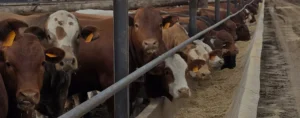
Livestock plays a vital role in South Africa’s agricultural economy, providing meat, milk, wool, and income for farmers nationwide. Understanding livestock fundamentals from breeds and animal health to welfare and market dynamics is essential for improving productivity, ensuring sustainability, and maintaining ethical, profitable farming practices in 2025 and beyond.
Understanding Livestock Breeds
Selecting the right livestock breeds is the foundation of a productive and sustainable farming operation. Each breed offers unique traits that influence growth rate, adaptability, and product quality — whether for meat, milk, wool, or breeding purposes. In South Africa, farmers typically choose between indigenous and commercial breeds, depending on climate, resources, and market goals.
Indigenous breeds, such as Nguni cattle or Boer goats, are naturally resilient to local diseases, harsh weather, and limited grazing conditions. They require lower maintenance and are ideal for extensive or small-scale farming systems.
Commercial breeds, like Angus cattle or Dorper sheep, often yield higher production outputs but need closer management, balanced feed, and controlled environments.
When selecting a breed, farmers should consider:
- Climate adaptability – suitability to local weather and grazing conditions.
- Feed efficiency – how effectively the animal converts feed into weight or milk.
- Market demand – preferences for certain meat or wool types.
- Disease resistance – the ability to thrive with minimal veterinary intervention.
Ultimately, matching breed genetics with farm conditions ensures higher productivity, lower losses, and stronger returns — forming the basis of a profitable livestock enterprise.
Animal Health Management
Effective animal health management is critical to maintaining productivity, profitability, and animal welfare within any livestock operation. Healthy animals grow faster, reproduce efficiently, and produce better-quality meat, milk, and fibre — all of which directly impact farm income and sustainability.
A proactive approach focuses on prevention rather than treatment. This includes regular vaccinations, deworming, and tick control to protect against common diseases such as foot-and-mouth, lumpy skin disease, and heartwater. Maintaining clean housing areas, fresh water supplies, and proper waste management also reduces infection risks.
Farmers should develop a health management plan with a qualified veterinarian that includes:
- Routine health checks – early detection of illness or stress.
- Vaccination schedules – based on regional disease patterns.
- Nutritional balance – providing the right feed and mineral supplements.
- Biosecurity measures – limiting contact with outside animals to prevent disease spread.
Monitoring weight, appetite, and behaviour can provide early warning signs of health issues. Prompt response and record-keeping ensure traceability and effective management.
By prioritising animal health, farmers not only safeguard their herds but also enhance overall farm performance, market value, and long-term sustainability in South Africa’s livestock industry.
Also learn about: Red Meat Industry in SA: Everything You Need to Know
Livestock Welfare Principles
Maintaining high livestock welfare standards is not only an ethical responsibility but also a key factor in ensuring productivity and product quality. Animals that are healthy, comfortable, and stress-free perform better, reproduce more efficiently, and deliver higher yields — strengthening both farm reputation and profitability.
South Africa’s livestock producers are increasingly guided by the “Five Freedoms” of animal welfare, which provide the foundation for ethical farming practices:
- Freedom from hunger and thirst
- Ensuring constant access to clean water and nutritious feed.
- Freedom from discomfort
- Providing suitable shelter and resting areas.
- Freedom from pain, injury, or disease
- Through prompt treatment and preventive care.
- Freedom to express normal behaviour
- Allowing adequate space and social interaction.
- Freedom from fear and distress
- Ensuring calm handling and humane treatment.
Good welfare practices extend across all stages of livestock management, from feeding and housing to transport and slaughter. Proper training for handlers, use of non-aggressive equipment, and minimising stress during loading and transport are vital.
By adhering to these welfare principles, farmers build trust with consumers and contribute to a more sustainable and responsible livestock industry in South Africa.
Also read: Foot and Mouth Disease (FMD) in Animals in SA
Market Basics & Economic Outlook
Understanding the livestock market is essential for farmers aiming to stay competitive and profitable in 2025. Livestock prices are influenced by a combination of production costs, consumer demand, export activity, and seasonal trends. Farmers who monitor these factors can make informed decisions about when to sell, restock, or expand.
The market operates primarily through auctions, abattoirs, and direct supply contracts, each offering different advantages in terms of pricing and convenience. Prices are often benchmarked using live and carcass values published by organisations like RMIS, which tracks real-time data on beef, lamb, and pork prices across South Africa.
Key price drivers include:
- Feed and fuel costs – rising input expenses increase production costs.
- Weather patterns – drought or heavy rainfall affect grazing and feed availability.
- Export demand – international markets influence domestic supply and pricing.
- Consumer spending power – economic shifts affect meat consumption trends.
Looking ahead, South Africa’s livestock market is expected to remain stable but cost-sensitive, with gradual recovery tied to improved rainfall and consistent consumer demand. Farmers who combine efficient production with market insight will be best positioned to thrive in the evolving agricultural landscape.
Conclusion
A strong understanding of livestock breeds, health, welfare, and market dynamics is essential for sustainable and profitable farming in South Africa. By adopting ethical practices, prioritising animal wellbeing, and staying informed on market trends, farmers can enhance productivity while contributing to a more resilient and responsible agricultural future.
Stay informed and empowered with accurate livestock insights from RMIS. Access up-to-date data, pricing trends, and expert analysis to make smarter farming decisions. Contact us for personalised reports, advisory support, and real-time updates shaping South Africa’s livestock industry.