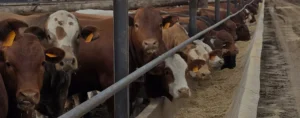
Red meat has long been a cornerstone of diets across the world — especially in South Africa, where livestock farming sustains both livelihoods and communities. But what is red meat exactly, and why does it matter so much for health, culture, and the economy?
Let’s unpack what red meat is, what makes it unique, and how it supports a sustainable and traceable food system through initiatives like those led by Red Meat Industry Services (RMIS).
What Is Red Meat?
The term red meat refers to meat that appears red when raw and darker after cooking. Scientifically, this colour comes from myoglobin, a protein found in animal muscle that stores oxygen. The higher the myoglobin content, the “redder” the meat appears.
Common examples of red meat include:
- Beef (from cattle)
- Lamb and mutton (from sheep)
- Goat meat
- Pork (from pigs)
- Venison and other game meats
In contrast, poultry and fish are considered white meats because of their lower myoglobin levels.
In South Africa, red meat plays a vital role in everyday meals and festive traditions — from Sunday roasts to braais — reflecting both cultural identity and nutritional importance.
Nutritional Value of Red Meat
Red meat is one of the most nutrient-dense foods available. It provides a powerful mix of high-quality protein and essential vitamins and minerals.
Key nutrients in red meat include:
- Protein: Complete source containing all nine essential amino acids
- Iron: Especially heme iron, which is more easily absorbed by the body
- Zinc: Supports immune function and metabolism
- Vitamin B12: Important for nerve health and red blood cell production
- Niacin, Riboflavin, and B6: Aid in energy metabolism
These nutrients make red meat particularly valuable for growth, repair, and overall vitality. When consumed in moderation and as part of a balanced diet, red meat contributes to healthy muscle development, strong immunity, and cognitive function.
Health Benefits of Red Meat
- Prevents Iron Deficiency:
Red meat is one of the best dietary sources of bioavailable iron, helping prevent fatigue, anaemia, and cognitive decline.
- Supports Muscle and Bone Health:
High-quality proteins in beef and lamb supply essential amino acids that aid muscle growth, tissue repair, and bone strength.
- Boosts Mental Focus and Energy:
B vitamins and zinc in red meat help improve concentration, energy levels, and stress management.
- Maintains Hormonal Balance:
Healthy fats in moderate amounts support hormone regulation and cellular function.
Myths and Misconceptions About Red Meat
Despite its benefits, red meat is sometimes misunderstood. Let’s clear up a few common myths:
- Myth 1: All red meat is unhealthy.
The issue lies not in the meat itself but in how it’s processed or prepared. Fresh, lean cuts of red meat can be part of a healthy diet. - Myth 2: Red meat always raises cholesterol.
Lean red meats (like sirloin or fillet) contain lower saturated fat and can even improve good HDL cholesterol levels when eaten sensibly. - Myth 3: Plant protein can replace red meat entirely.
While plant proteins are excellent, they often lack the complete amino acid profile that red meat provides.
Balanced consumption — around 2–3 portions per week — along with vegetables, legumes, and grains, is the healthiest approach.
Red Meat in South Africa: A Vital Industry
South Africa’s red meat industry isn’t just about food — it’s about jobs, growth, and national development.
According to the Red Meat Industry Strategy 2030, the sector contributes billions to agricultural GDP and supports thousands of producers across the value chain — from feedlots to butcheries. Over 40% of the national herd belongs to communal and smallholder farmers, making red meat production a key driver of inclusive growth.
The Role of RMIS
Red Meat Industry Services (RMIS) acts as the industry’s coordination hub, driving innovation, traceability, and sustainability across the value chain.
RMIS focuses on:
- Traceability and Animal Health: Through its national traceability platform and GLN certification, RMIS ensures safe, transparent meat supply chains.
- Research and Development: Via its Field to Future initiative, RMIS funds practical research that strengthens productivity and resilience.
- Market Intelligence: RMIS publishes regular price dashboards, slaughter data, and reports that help producers and processors make informed decisions.
Sustainability and Ethical Meat Production
Consumers today want to know where their meat comes from and how it was produced. RMIS is leading this transformation through traceability and responsible farming standards.
Key aspects of sustainable red meat production include:
- Animal Welfare: Ensuring animals are raised humanely and under good living conditions.
- Environmental Stewardship: Promoting rotational grazing and efficient resource use to protect soil and water.
- Disease Control: Supporting early warning systems for Foot-and-Mouth Disease (FMD) and other threats.
- Inclusive Growth: Empowering smallholder farmers with training, market access, and digital tools.
Together, these efforts strengthen South Africa’s reputation as a producer of safe, ethical, and high-quality red meat.
How to Choose and Prepare Red Meat
To enjoy red meat healthily and sustainably, consider the following tips:
When buying:
- Look for bright red, firm cuts with minimal visible fat.
- Support local, traceable producers where possible.
- Opt for lean cuts like sirloin, rump, or fillet.
When cooking:
- Avoid over-charring — it can form harmful compounds.
- Use gentle cooking methods like grilling or baking.
- Pair with fibre-rich sides such as vegetables or whole grains.
When eating:
- Balance portion sizes (about the size of your palm).
- Limit processed meats (like sausages) in favour of fresh cuts.
- Combine red meat with plant-based foods for complete nutrition.
Do you know the: Red Meat Prices in South Africa 2025
The Future of Red Meat in South Africa
The future of red meat is about responsibility and innovation. With global demand rising, South Africa’s producers are focusing on traceability, carbon reduction, and digital data systems to stay competitive and sustainable.
Through RMIS-led programmes, the industry is building a resilient, transparent, and tech-driven value chain that benefits producers, consumers, and the planet.
Conclusion: What is Red Meat?
So, what is red meat? It’s more than just a source of protein — it’s a symbol of heritage, livelihood, and progress. From the farmer’s field to the dinner table, red meat connects people, communities, and economies. With the right balance of nutrition, ethics, and innovation, South Africa’s red meat sector can continue to thrive — ensuring that every cut is produced responsibly, traceably, and sustainably.
Want to learn more beyond what is red meat and how South Africa’s red meat industry drives traceability, sustainability, and growth? Contact RMIS today to partner in building a stronger, future-ready red meat value chain.