RMIS NEWS

Filter By Category
Select some options
Filter By Category
Filter By Post Date
Select Date

Introducing theย RMIS Mobile Processing Units

Many Small-scale and communal farmers face significant challenges in livestock management and market access, often due to limited resources and infrastructure. The Red Meat Industry Services (RMIS) has taken a step to change this dynamic by introducing Mobile Processing Units (MPUs), a groundbreaking solution designed to bring essential livestock services directly to the farmer.

What is the RMIS Mobile Processing Unit?

The Mobile Processing Unit is a fully equipped mobile facility that delivers essentiallivestock management services right where farmers need them. Each unit is designed to provide efficient, humane livestock handling and processing services, including tagging, branding, dehorning, and vaccinations.

The MPU is outfitted with:

โ€ข Body crush and neck clamp for safe animal handling

โ€ข Electronic scale to ensure precise weight measurement

โ€ข High-frequency tag scanner to support traceability and animal identification

โ€ข A range of animal handling tools for efficient, humane treatment

MPUs are operated by trained production specialists, ensuring that all procedures follow proper specifications and biosecurity standards. This allows farmers to manage their livestock more effectively, improving both health and productivity while adhering to the highest standards of animal welfare.

How the MPU Benefits Farmers

The introduction of Mobile Processing Units provide a variety of critical benefits to small-scale and communal farmers. These units help bridge the gap between farmers and much-needed livestock services, offering tangible advantages such as:

โ€ข Improved Livestock Health: Vaccinations, tagging, and other services delivered on-site mean better animal care, leading to healthier herds.

โ€ข Enhanced Productivity: With proper livestock management, farmers can increase their production, enabling more consistent supply to markets.

โ€ข Increased Market Access: By improving livestock traceability and overall health, farmers can enter formal markets, both locally and internationally.

โ€ข Cost and Time Efficiency: Bringing services directly to farmers reduces the need for long, costly trips to far-off processing centres.

Successful Pilot Program: A Model for Growth

In 2024, RMIS implemented a successful pilot project to test the MPU in real-world conditions. The pilot was carried out at various communal farms and diptanks, processing over 2,000 cattle. This initiative allowed RMIS to refine logistics and inventory management while gathering valuable insights into how the units would operate on a larger scale.

Beyond just testing equipment, the pilot also provided an opportunity to engage with local farmers, helping to build trust and gauge interest. The feedback was overwhelmingly positive, with farmers expressing strong support for the project.

The pilot’s success has laid a strong foundation for the national rollout of MPUs, providing RMIS with the operational blueprint needed to make this initiative a long-term success.

National Rollout: Bringing MPUs to All Provinces

In 2025, RMIS plans to expand the MPU programme to every province in South Africa, deploying nine units across the country. Each MPU will target centralised locations, such as communal diptanks, while supporting existing projects like the Land Development Support Programme.

The projected impact of the national rollout includes:

Projected outcomes of the national rollout:

โ€ข 9 MPUs processing an average of 150 animals per day

โ€ข 27,000 animals processed per month

โ€ข 297,000 animals processed annually

โ€ข 1,485,000 animals processed over five years

This initiative has the potential to revolutionise livestock management in South Africa, directly benefiting farmers and significantly contributing to the countryโ€™s agricultural sector.

Community Integration and Local Expertise

One of the standout features of the MPU initiative is its focus on integrating local expertise. RMIS plans to hire production specialists from the provinces where the MPUs will operate. These specialists will already have strong ties to the communities they serve, helping to foster trust and collaboration between the MPU teams and local farmers.

This approach not only ensures cost-efficiency by reducing operational overheads but also strengthens community involvement, creating a sense of shared responsibility and ownership over the initiative.

Moreover, the MPU programme is supported by a dedicated management team and technical advisors to resolve any challenges quickly. An Enterprise Resource Planning (ERP) system will manage operations, including bookings, inventory, and reporting, ensuring efficient service delivery across the board.

Supporting the Future of Farming with Training and Education

Beyond livestock processing, RMIS is investing in farmer education to ensure the sustainability of the MPU initiative. The RMIS training division, in partnership with AgriSeta, will provide non-credit bearing courses to communal farmers and selected diptanks. These courses are designed to equip farmers with essential skills in livestock processing, enhancing their ability to manage livestock health and production independently.

By empowering farmers with practical knowledge and tools, RMIS aims to foster a more informed and capable agricultural community. This approach not only maximises the benefits of the MPU but also ensures that farmers are better prepared to sustain and grow their operations over time.

Traceability: A Key to Market Access

Traceability is a vital part of the MPU strategy. As MPUs process livestock, the animals will be tagged and registered using a geo-fenced traceability system. Each communal area will be assigned a Global Location Number (GLN), creating a digital map of livestock movements.

This traceability system will allow RMIS to track the origins of livestock, improving biosecurity and making it easier for farmers to access formal markets. As the system expands, it will provide funders and stakeholders with comprehensive reports on livestock processing, market access, and community impact.

A Collaborative Effort for Agricultural Growth

The RMIS Mobile Processing Units are more than just a tool for livestock processing โ€“ they represent a collaborative effort to support small-scale farmers and drive sustainable growth across South Africaโ€™s agricultural sector. By bringing essential services directly to farming communities, RMIS is helping farmers increase their productivity, access new markets, and become more resilient in the face of industry challenges.

Join Us in Building a Sustainable Future

RMIS is committed to the success of the MPU project, having invested over R9 million to ensure its long-term sustainability. This funding provides a strong foundation for the initiative and offers potential partners the opportunity to extend their reach and impact. By joining forces with RMIS, companies can help amplify this effort, contributing to the growth of South Africaโ€™s agricultural sector and the empowerment of small-scale farmers.

Contact us today to find out how your company can get involved and make a lasting impact on South African agriculture.

Feedback from the Stock Theft Prevention Pilot Project workshops

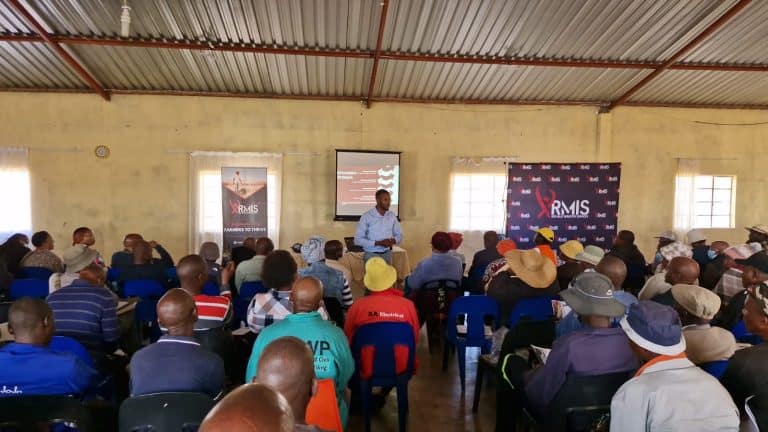
The Stock Theft Prevention Pilot Project began with three well-attended workshops. These events, facilitated by RMIS Livestock Technical Advisors, Ernest Makua and KhomotsoMashiloane, are held in collaboration with the Red Meat Producers Organisation (RPO), National Stock Theft Prevention Forum (NSTPF), the Department of Agriculture, Land Reform and Rural Development (DALRRD), and the Limpopo Department of Agriculture and Rural Development (LDARD).

โ€ข 24 July 2024, hosted at the Ephrain Mogale Local Municipality Hall, Marble Hall with 163 participants and facilitated by Ernest Makua.

โ€ข 07 August 2024 hosted at the Sephaku Community Hall, Groblersdal with 132 participants and facilitated by Khomotso Mashiloane.

โ€ข 15 August 2024 hosted at the Morwangoato Tribal Office, Ga-Marishane Village with 167 participants and facilitated by Ernest Makua.

Workshop participants were keen to share their experiences and actively engaged in discussions, revealing the following issues:

1. The noticeable communication gap between farmers and law enforcement, often leading to delays in responding to theft incidents.

2. The need for better training and resources for both farmers and police to strengthen prevention and response efforts. 

3. Building trust and involving the community in stock theft prevention.

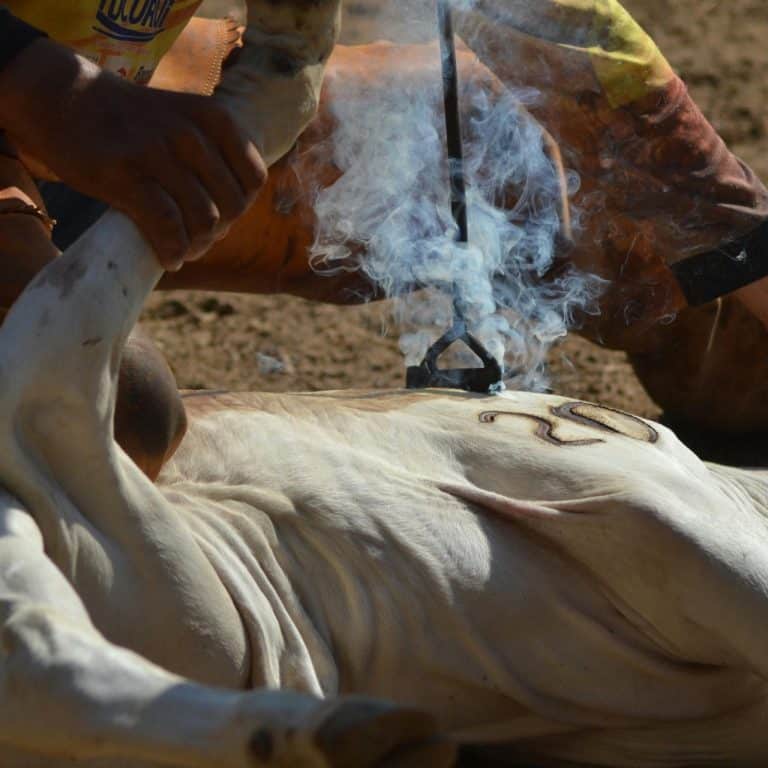
4. The lack of proper livestock identification, particularly the tattooing and brand marking of cattle among communal and emerging farmers. (RMIS has initiated a cattle identification campaign in Marble Hall and Groblersdal, tagging over 1,400 cattle with unique RMIS numbers and bar codes, with many of the cattle also being branded. This has significantly improved traceability in these regions, with plans to expand the campaign to other areas soon.)

5. Participants also suggested involving the National Prosecuting Authority (NPA) in future discussions to clarify the legal process in livestock theft cases. 

6. The need for better reporting mechanisms and more effective tracking and follow-up on reported thefts, emphasising the need for greater transparency and efficiency.

If the pilot project proves successful, RMIS intends to roll out the programme nationwide across all provinces in 2025. 

Tackling Stock Theft: RMIS Inclusive Growth Launches Pilot Projectย 

In 2024, RMIS Inclusive Growth introduced a pilot programme designed to support communal and small-scale farmers in Limpopo with animal production practices and knowledge sharing at four dip tanks. A key intervention of this programme is the identification of animals through ear tagging and branding, an essential but often overlooked practice for preventing stock theft. 

This new pilot project, made possible by AgriSeta discretionary funds, emerged when the National Stock Theft Prevention Forum (NSTPF) identified a critical need for an awareness programme focused on preventative measures against stock theft. Stock theft, often occurring in remote pastures far from homes, is one of the most challenging crimes to prosecute.

The pilot project aims to build awareness about the impact of stock theft on the red meat industry, highlight the importance of preventative measures such as livestock marking as mandated by the Animal Identification Act of 1998, and to create a platform for collaboration against stock theft.

This is a collaborative effort between RMIS and RPO, which oversees the National Stock Theft Prevention Forum under SAPS National instruction 28 of 1995, updated to SAPS national instruction 3 of 2020. The NSTPF includes representatives from SAPS, NPA, DALRRD, SANDF, Correctional Services, APAC, all role players in the red meat value chain, the primary red meat sector, and NSPCA.

The pilot events are scheduled as follows:

โ€ข 24 July 2024 โ€“ Ephraim Mogale Municipal Hall, Marble Hall.

โ€ข 7 August 2024 โ€“ Sephaku Village, next to Zwanani Primary School (36km from Groblersdal)

โ€ข 15 August 2024

โ€ข 19 September

Each event will follow a comprehensive agenda designed to educate and engage farmers:

โ€ข Discussion by RPO and Provincial STPF Representative: Impact of stock theft and the importance of community collaboration in prevention.

โ€ข Presentation by RMIS: Stock theft mitigation strategies, including livestock identification and marking, and the importance of recordkeeping.

โ€ข Explanation by DALRRD: The Animal Identification Act and its regulations.

โ€ข Overview by SAPS: Current trends and law enforcement procedures related to stock theft.

โ€ข Q&A Session: Addressing farmersโ€™ concerns and focusing on collaborative approaches to combat and prevent stock theft.

Plans for Expansion

If the pilot project proves successful, RMIS plans to expand the programme across all provinces starting in 2025.

Inclusive Growth: Empowering South Africaโ€™s Red Meat Industryย 

RMIS Inclusive Growth is the training and enterprise development function of the RMIS, aiming to empower and uplift communal and smallholder farmers in South Africa. As one of the four strategic focus areas of the Red Meat Industry Strategy 2030, Inclusive Growth is a critical mandate for RMIS to execute across the primary red meat value chain.

Inclusive Growth aims to ensure that the benefits of growth and development are shared equitably among all stakeholders, including farmers, workers, consumers, and the broader community, thereby supporting the successful implementation of the Red Meat Industry Strategy 2030.

The Importance of Inclusive Growth

Inclusive Growth is crucial for the successful implementation of the Red Mead Industry Strategy 2030 because approximately 40-50% of the national herd is managed by communal and smallholder farmers. This sector also has the potential to drive rural development, employment, and wealth creation for over one million households involved in livestock production, especially in the countryโ€™s most impoverished regions. With most commercial farmers already operating at optimal levels, focusing on communal and smallholder farmers is essential for the growth of the red meat industry. To this end, RMIS is mandated to allocate 20% of statutory funding to initiatives that promote Inclusive Growth.

Key Initiatives for Inclusive Growth

1. Land Development Support Programme (LDS)

Funded by the Department of Agriculture, Land Reform and Rural Development, the LDS programme supports black farmers at the entry level of commercial viability. RMIS acts as the commodity implementation partner, advising livestock farms and facilitating the project’s execution. The LDS programme provides financial assistance for infrastructure development, production, and capacity building. It aims to help farmers expand their operations and transition into fully-fledged commercial farmers. Each year, approximately 35 farmers across South Africareceive support through this programme.

Additionally, RMISโ€™s MeatMENTOR initiative offers a 12-month mentorship programme covering technical and business skills. Monthly visits address topics such as animal husbandry, supplementary feeding, breeding, record-keeping, budgeting, and risk management. Beneficiaries also gain access to industry experts and customised production guidelines.

2. Mobile Cattle Processing Units

The RMIS is currently piloting a project with a mobile processing unit aiming to assistcommunal farmers with tagging, branding, dipping and vaccinating. 

The mobile unit is equipped with a neck clamp, body crush, scale, tag scanner, and other animal handling tools ensuring processing can continue even when cattle handling facilities are inadequate. Each processed animal receives a visual tag with a QR code linked to a unique SGTIN number, facilitating traceability and market access. The unit has already processed over 1,800 cattle, recording vital information to aid community management practices. RMIS aims to expand this initiative to each province in the near future.

3. Training Programmes

RMIS Inclusive Growth is an accredited AgriSeta training provider with qualified trainers and industry experts are passionate about fostering inclusive growth in the red meat industry.

Our training programmes cater to diverse audiences, including livestock farm employees, communal farmers, small- and medium-scale farmers, and commercial farmers.

RMIS Inclusive Growth provides both credit and non-credit training options, embracing formal and informal learning approaches. 

Training is delivered on-farm or within group settings organised by provincial or community structures and industry role player transformation initiatives. Our training formats include:

โ€ข Accredited courses

โ€ข Short courses

โ€ข Study groups

โ€ข Farmers Days

โ€ข Information Days

โ€ข On-farm mentoring and training

โ€ข RMIS open line telephonic advice to farmers

โ€ข Monthly free online webinars covering topics such as livestock diseases, seasonal nutrition, stock theft challenges, and value chain requirements.

Key areas of focus include disease management, biosecurity, record-keeping, and traceability. Training programmes emphasise early disease identification, proper health programmes, modern cattle management techniques, and formal market requirements. By respecting cultural practices while introducing modern techniques, RMIS Inclusive Growth aims to gain community acceptance and improve livestock management.

Long-term Impact on the Red Meat Value Chain

The primary objective of RMIS Inclusive Growth is to integrate 250,000 additional weaner calves into the formal value chain from emerging producers over the next ten years. This goal entails increasing overall beef production, improving weaning rates, and optimising herd composition among small-scale farmers. The expected long-term effects include enhanced productivity, better market access, and significant contributions to the red meat value chainโ€™s sustainability and growth.

Collaborative Efforts and Future Plans

RMIS values the importance of collaborating with stakeholders who share the goal of enhancing livestock farming in the emerging sector. We aim to work with as many partners as possible to benefit the red meat industry.

Our Inclusive Growth initiative uniquely positions us to manage projects that uplift small-scale farmers. Stakeholders with extensive project plans can engage with RMIS, aligning their initiatives with our 2030 strategic vision. Our experience in similar projects means we have the structures, resources, and processes in place to support these efforts effectively.

A key component of our future vision is the deployment of at least 18 Mobile Processing Units (MPUs), with two units per province. These MPUs are essential for providing physical services such as vaccinations, branding, and dipping. Stakeholders can contribute by funding these interventions or sponsoring the units themselves. As a not-for-profit company, RMIS aims to establish each MPU sustainably, recognising that statutory funding alone is insufficient for their maintenance.

By forming strong partnerships with government agencies, NGOs, academic institutions, the private sector, community leaders, international organisations, and extension services, RMISInclusive Growth can enhance its ability to deliver impactful and sustainable services to small scale cattle farmers. This collaborative approach not only improves livestock health and productivity but also contributes to the overall development and resilience of farming communities across the country.
Cleaver Best Butchers Awards 2023/2024

Recognising Excellence in Butcheries Across South Africa

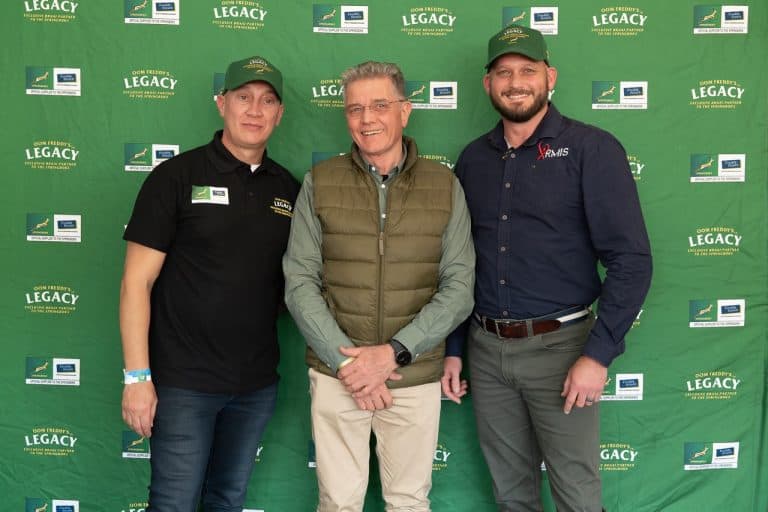
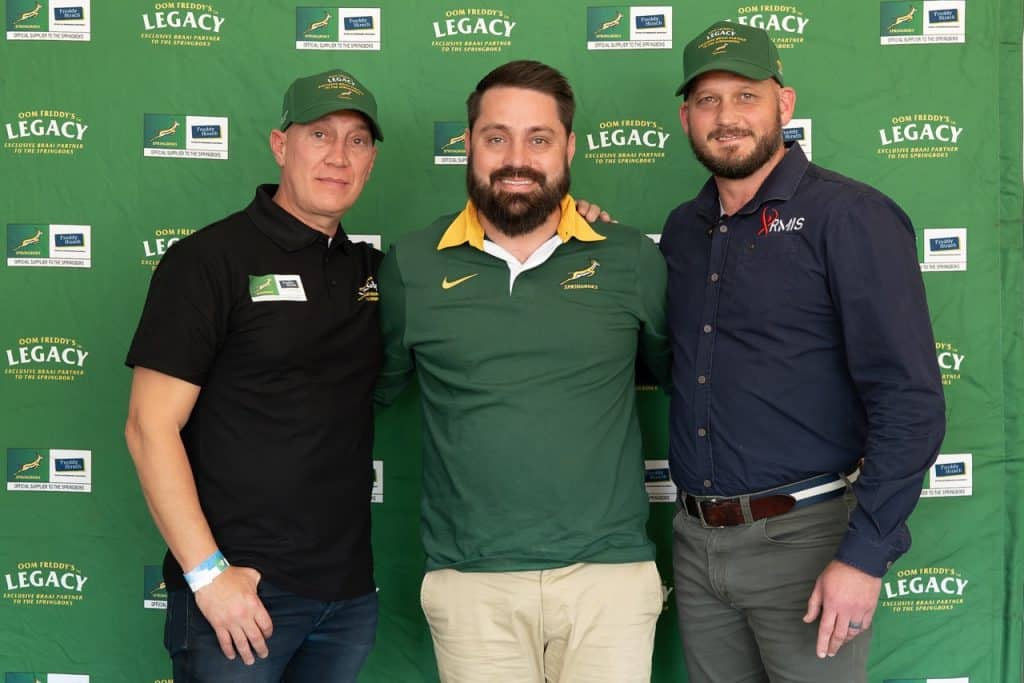
Pretoria, July 10, 2024 โ€“ The winners of the 19th Cleaver Awards were announced during a dedicated ceremony, hosted by RMIS and ceremony sponsor Freddy Hirsch โ€“ The Spice Champions, at Loftus Versfeld Stadium on Saturday, July 6, 2024, just before the iconic rugby clash where the Springboks triumphed over Ireland for the first time since 2016. 

These awards recognise the exemplary performance and dedication of South Africaโ€™s finest butcheries throughout the year 2023/2024. 

Winners: 

More than 3 tills  
>3KZNBluff Meat Supply Richards Bay
>3ECCuyler Butchery
>3FSFredilia Meat Welkom Park
>3NWImpala Vleis Brits
>3WC Karoo Lusern Slaghuis/Butchery
>3MPLLebombo Slaghuis
>3GAUMondanette Irene Meat Merchant
>3LMPVleislapa – Marshall Street
Less than 3 tills  
โ‰ค3GAUBoma Meat Market – Olympus
โ‰ค3MPLFranks Meat – Mall
โ‰ค3KZNNatalia Meat Market Vryheid
โ‰ค3FSPowermeat
โ‰ค3WCTOLLIES SLAGHUIS (not attending)
โ‰ค3ECVan Der Stel Butchery
โ‰ค3NWVision Meat Klerksdorp
โ‰ค3NCWest End Vleismark Hadisonpark
Meat Markets  
MMNWFood Lover’s Market Cornerstone
MMGAUKaraglen Superspar
MMMPLMalelane Super Spar
MMWCOld Oak Spar
MMKZNOxford Freshmarket Waterfall
MMFSRoots Mannys Butchery Welkom 2
National Winners  
>3 Karoo Lusern Slaghuis/Butchery
โ‰ค3 Franks Meat – Mall
Meat Market Malelane Super Spar
Main Market Meat World Katlehong

This yearโ€™s awards introduced several innovations aimed at further enhancing transparency andย recognisingย excellence in diverse segments of the market.

New Categories and Rigorous Audits

In a departure from previous years, the 2023/2024 Cleaver Awards featured notable changes:

New Category Inclusion: The addition of the “Main Markets” category highlighted retail butchers serving rural and township areas, underscoring their integral role in local communities.

Streamlined Selection Process: This year, only one provincial winner per category was selected, from which national winners were determined. This approach aimed to showcase the best regional talent on a national stage.

oย Comprehensive Auditing:ย Unlike past editions focusing solely on specific sections like beef, this year’s audit by SAMIC covered the entire butchery, assessing all aspects including food safety, hygiene, value for money, and customer service.
Methodology and Recognition

The selection process began with public nominations, followed by rigorous audits of the top 100 nominated butcheries across South Africa. Winners were announced in the following categories:

3 and Less Tills: Recognising one winner per province where applicable and one national winner.

More Than 3 Tills: Acknowledging exceptional butcheries with broader operations, honouring provincial winners alongside a national champion.

Meat Markets: Celebrating excellence in hyper/supermarkets across provinces, with one provincial and national winner each.

Main Markets (Township Areas): Highlighting the standout performer in retail butcheries serving rural and township communities nationwide.

Acknowledgements and Transition

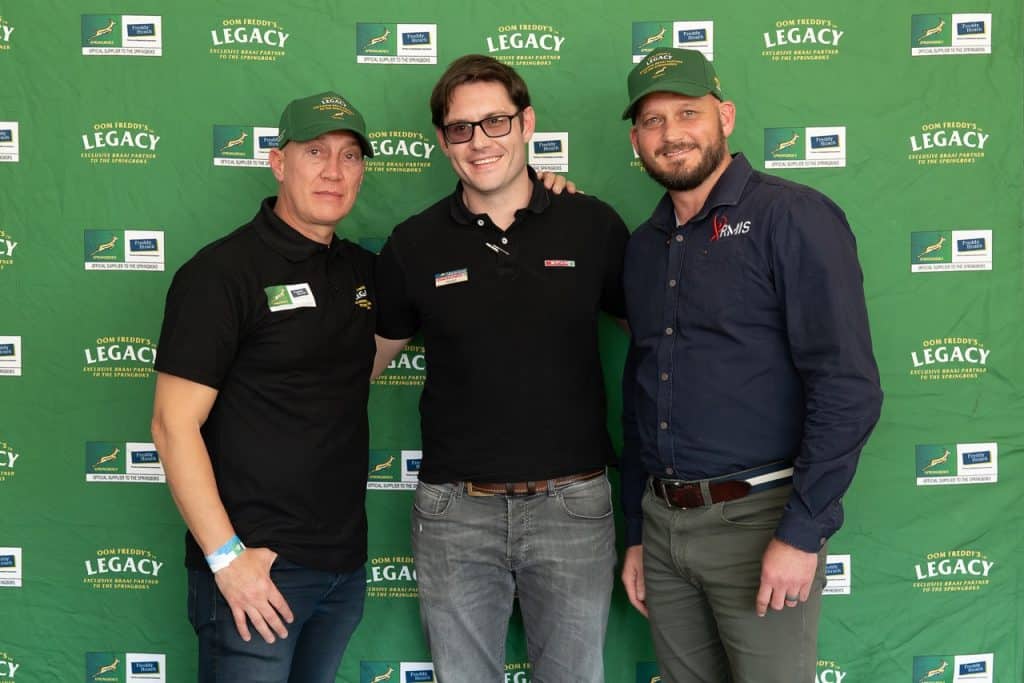
RMIS, responsible for overseeingย the industryย up to the abattoir level, concludes its involvementwith the Cleaver Awardsย this year. The management of the Cleaver Awards will be handled henceforth by Ryan Read and Twins Black. RMIS extends its best wishes to Ryan Read and the Twins Black team in their stewardship of this esteemed industry recognition program.
For More Information

For further details on SAMICโ€™s auditing process, visit www.samic.co.za or contact them on (012) 361-4545. For inquiries regarding the voting and nominations process, please reach out to Ryan Read of Twins Black via admin@twinsblack.com or call 0837115379.
RMIS and GRAIN SA Discuss Collaboration at NAMPO 2024

During NAMPO 2024, RMIS CEO Dewald Olivier and GRAIN SA CEO Dr. Tobias Doyer, along with their various team members, met to explore potential opportunities between their organisations. The discussion focused on the intersections of the red meat and grain industries, acknowledging the significant role of the red meat industry as a consumer of grain products, as well as the prevalence of South African farmers engaged in mixed operations involving both grain and red meat production.

As two key players in South Africa’s agricultural landscape, RMIS and GRAIN SA recognise the importance of working together to address common challenges and promote sustainable growth. Their teams engaged in constructive dialogue regarding inclusive growth and farmer development initiatives, aiming to identify areas of mutual benefit.

Dewald Olivier, RMIS CEO, commented, “Our meeting with GRAIN SA highlights the value of collaboration in advancing the interests of farmers and fostering a resilient agricultural sector. By pooling our expertise and resources, we can create synergies that benefit both industries.”

The discussions between RMIS and GRAIN SA exemplify the spirit of cooperation essential for driving positive change in South Africa’s agricultural sector. Both organisations are committed to exploring opportunities for partnership that promote shared growth and contribute to the overall development of the industry.

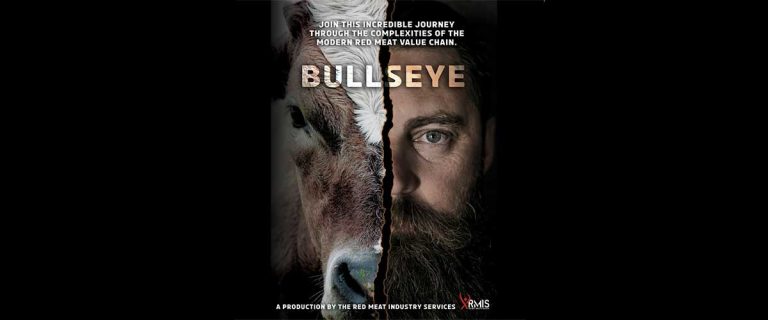
Red Meat Industry Services (RMIS) Premieres BULLSEYE at NAMPO 2024

The Red Meat Industry Services (RMIS) is set to unveil a captivating documentary at NAMPO 2024, offering viewers an immersive journey through the South African Red Meat Value Chain. The documentary is a tribute to the rich history, challenges, and innovations driving the red meat industry forward. The title “BULLSEYE,” alludes to the firm targets that the RMIS has set out to achieve in the Red Meat Industry Strategy 2030.

Narrated by John Hall, a local South African cattle farmer, viewers will witness first-hand the challenges faced by producers, new innovations by the RMIS, and the passionate individuals propelling the industry’s growth.

The documentary delves into various aspects of the red meat industry, highlighting the vital role of technology, tradition, and innovation in meeting the demands of a rapidly evolving market. Through interviews with industry stakeholders, including Dr.Phillip Oosthuizen, Alvin Steenkamp, Michaela Pretorius, and Marina Fourie, viewers gain valuable insights into topics ranging from animal welfare and sustainability to market access and consumer education.

“We are excited to premiere BULLSEYE at NAMPO 2024,” said Dewald Olivier RMIS CEO. “This documentary serves as a celebration of the resilience and dedication of everyone involved in the red meat value chain. It is a testament to our commitment to fostering a sustainable, competitive, and inclusive industry for future generations, and we look forward to meeting the role-players of the value chain at NAMPO.โ€

Screenings of BULLSEYE will take place every hour on the hour from 14 – 17 May at the Livestock Auction Building during NAMPO 2024. Attendees are invited to join the RMIS team for this cinematic experience, offering a glimpse into the heart of the red meat industry.

Following NAMPO 2024, the documentary will be available for viewing on the Red Meat Khuluma YouTube channel, ensuring broader accessibility for audiences worldwide.

Disclaimer:

The opinions expressed in this documentary are solely those of the individuals interviewed and do not necessarily reflect the views of the Red Meat Industry Services (RMIS). Viewers are encouraged to engage critically with the content and consult additional sources for further understanding. No animals were harmed during the production of this documentary, and ethical filming practices were strictly adhered to. The documentary respects cultural sensitivities and ethical standards in its portrayal of people, practices, and places.

Narrated by John Hall, a local South African cattle farmer, viewers will witness first-hand the challenges faced by producers, new innovations by the RMIS, and the passionate individuals propelling the industry’s growth.

The documentary delves into various aspects of the red meat industry, highlighting the vital role of technology, tradition, and innovation in meeting the demands of a rapidly evolving market. Through interviews with industry stakeholders, including Dr.Phillip Oosthuizen, Alvin Steenkamp, Michaela Pretorius, and Marina Fourie, viewers gain valuable insights into topics ranging from animal welfare and sustainability to market access and consumer education.

“We are excited to premiere BULLSEYE at NAMPO 2024,” said Dewald Olivier RMIS CEO. “This documentary serves as a celebration of the resilience and dedication of everyone involved in the red meat value chain. It is a testament to our commitment to fostering a sustainable, competitive, and inclusive industry for future generations, and we look forward to meeting the role-players of the value chain at NAMPO.โ€

Screenings of BULLSEYE will take place every hour on the hour from 14 – 17 May at the Livestock Auction Building during NAMPO 2024. Attendees are invited to join the RMIS team for this cinematic experience, offering a glimpse into the heart of the red meat industry.

Following NAMPO 2024, the documentary will be available for viewing on the Red Meat Khuluma YouTube channel, ensuring broader accessibility for audiences worldwide.

Disclaimer:

The opinions expressed in this documentary are solely those of the individuals interviewed and do not necessarily reflect the views of the Red Meat Industry Services (RMIS). Viewers are encouraged to engage critically with the content and consult additional sources for further understanding. No animals were harmed during the production of this documentary, and ethical filming practices were strictly adhered to. The documentary respects cultural sensitivities and ethical standards in its portrayal of people, practices, and places.

The Red Meat Industry Services (RMIS) is set to unveil a captivating documentary at NAMPO 2024, offering viewers an immersive journey through the South African Red Meat Value Chain. The documentary is a tribute to the rich history, challenges, and innovations driving the red meat industry forward. The title “BULLSEYE,” alludes to the firm targets that the RMIS has set out to achieve in the Red Meat Industry Strategy 2030.

Narrated by John Hall, a local South African cattle farmer, viewers will witness first-hand the challenges faced by producers, new innovations by the RMIS, and the passionate individuals propelling the industry’s growth.

The documentary delves into various aspects of the red meat industry, highlighting the vital role of technology, tradition, and innovation in meeting the demands of a rapidly evolving market. Through interviews with industry stakeholders, including Dr.Phillip Oosthuizen, Alvin Steenkamp, Michaela Pretorius, and Marina Fourie, viewers gain valuable insights into topics ranging from animal welfare and sustainability to market access and consumer education.

“We are excited to premiere BULLSEYE at NAMPO 2024,” said Dewald Olivier RMIS CEO. “This documentary serves as a celebration of the resilience and dedication of everyone involved in the red meat value chain. It is a testament to our commitment to fostering a sustainable, competitive, and inclusive industry for future generations, and we look forward to meeting the role-players of the value chain at NAMPO.โ€

Screenings of BULLSEYE will take place every hour on the hour from 14 – 17 May at the Livestock Auction Building during NAMPO 2024. Attendees are invited to join the RMIS team for this cinematic experience, offering a glimpse into the heart of the red meat industry.

Following NAMPO 2024, the documentary will be available for viewing on the Red Meat Khuluma YouTube channel, ensuring broader accessibility for audiences worldwide.

Disclaimer:

The opinions expressed in this documentary are solely those of the individuals interviewed and do not necessarily reflect the views of the Red Meat Industry Services (RMIS). Viewers are encouraged to engage critically with the content and consult additional sources for further understanding. No animals were harmed during the production of this documentary, and ethical filming practices were strictly adhered to. The documentary respects cultural sensitivities and ethical standards in its portrayal of people, practices, and places.

Red Meatย Strategy 2030 – Feedback

Strategic feedback

RED MEAT STRATEGY 2030 FEEDBACK 

The livestock and red meat industry in South Africa has a promising future and the Red Meat Strategy 2030, with the AAMP, will play a definite role in the next two years. 

I will give some feedback on the progress of the Red Meat Strategy 2030 to date, this might seem insignificant in the bigger picture of how to increase the value added to the red meat producer, but this is the foundation of an industry that want to grow exports of beef from 5% to 20% and sheep from 1% to 6%, whilst retaining the local market and creating access to the market for new entrants on the basis of international standards that includes traceability.

Industry made real progress in partnering with government through relationships. If 50% of the targets, set out above, are met, we will be in a better position we currently find ourselves in. These are our strategic objectives and that does not include possible governmental strategic objectives.

Exports of South African red meat has declined. We have seen that in recent figures presented by Wandile Sihlobo. However, a renewed interest in our red meat from Saudi Arabia as well as Brazil over recent weeks and months has me exited and cautiously optimistic.

The Red Meat Strategy 2030, launched in November 2022, and aims to improve the competitiveness and sustainability of the industry by addressing challenges such as animal health and welfare, environmental sustainability, and market access. The implementation of this strategy is likely to have positive impacts on the industry over the next two years and beyond.

I am concerned with the winter approaching and the possibility of Foot-and-Mouth disease rearing its head again. However, many of the producers, feedlots and other role-players have positioned themselves through careful planning and biosecurity measures.

Emergent farmers are also an important consideration for the industry’s future. The government has implemented a number of programs aimed at supporting these farmers and enabling them to enter the market. With the right support and training, emergent farmers can make a significant contribution to the industry’s growth. The Red Meat Strategy 2030 is aimed specifically at these farmers supplying the value chain with 250 000 weaner calves.

South Africa’s membership in the BRICS group (Brazil, Russia, India, China, and South Africa) also presents opportunities for the industry. The group represents a large and growing market for red meat, and South Africa can leverage its membership to strengthen its export relationships with these countries as can be seen by recent interest in our product from Saudi Arabia.

National consumption of red meat is expected to remain stable over the next two years, simply given the history of consumption and our national red meat culture. The growing interest in alternative protein sources such as plant-based meat is real, and we as industry have to be very wary of their efforts to piggy-back on our products and established names. The poultry and pork industries are likely to continue to provide competition for the red meat industry in the domestic market mainly due to the pricing.

We also saw the recent ‘attack’ on the industry through Die GROOT ontbyt. The classic โ€œKruger Dunning Effectโ€ seems to apply when it comes to the main contributors to the current climate crises narrative- those with the least knowledge on the topic, has the most confidence to loudly talk about it. Industry will make a stand against these type of public statements with scientifically researched facts. 

In conclusion, while there are challenges facing the livestock and red meat industry in South Africa, there are also many opportunities for growth and success over the next two years. With the right support and policies in place, the industry can continue to thrive and make a significant contribution to the country’s economy. 

The current calf prices show us that our immediate focus should be to create an outlet for the pressure experienced by a weaker consumer. The immediate and easiest way would be to focus on establishing a compartment system signed off by the department of Animal Health at DALRRD to export products to trade partners creating value for the entire value chain. 

Please fee free to Contact our office if you need any information.

Download Feedback Document

From Vision to Action: RMIS Announces its Project Portfolio

RMIS Announces its Project Portfolio

The Red Meat Industry Services (RMIS) is pleased to introduce its Project Portfolio. These Projects are a strategic collection of initiatives crafted to meet industry demands, with a focus on addressing pivotal challenges, seizing emerging opportunities, and fostering innovation throughout the entire value chain, signifying a joint effort towards industry advancement.

A Strategic Vision for Progress

The heart of these projects lies in the Red Meat Industry Strategy 2030, a visionary roadmap that outlines the steps required to elevate the industry’s performance and competitiveness. Recognising the necessity of actionable interventions to translate strategic objectives into tangible outcomes, RMIS has embarked on an ambitious journey to enact meaningful change at every level of the red meat sector.

Diverse and Impactful Initiatives

Spanning a wide spectrum of focus areas, RMIS’s project portfolio encompasses initiatives aimed at enhancing traceability, promoting sustainable farming practices, improving disease management, ensuring meat safety, fostering market access, combating livestock theft, facilitating communication, and driving research and development. The budgeted income for the 2023/2024 period amounts to R44 million and it is made up of the projects set out below. 


1. Recordkeeping Systems Communication and Data Sharing (Traceability):

This project focuses on identifying, capturing, and efficiently sharing relevant traceability and production data in a standardised language, with the objective of championing industry traceability and data sharing to enhance production and trade. 

ยท Funding: 19% (R7,000,000)


2. Small Scale Farmer Development (LDS Project First Project):

This initiative aims to enhance the commercialisation of small-scale farmers through practical implementation and mentorship. RMIS has been designated as the implementing body for the Land Development Support (LDS) programme on behalf of DALLRD, overseeing a five-year initiative involving 35 farmers and an annual budget of R220 million. The objective is to promote sustainable production practices and facilitate small-scale farmer development through a turn-key offering.

ยท Funding: Project is Self-Funded


3. Mobile Cattle Processing Units for Small-scale farmers (Inclusive Growth):

The project aims to develop, equip, and manage Mobile Cattle Processing Units to facilitate comprehensive animal processing for the LDS project and to cater to small-scale farmers. By enhancing accessibility to processing facilities, the initiative seeks to improve animal health and economic value. 

ยท Funding: 8% (R3 000 000)


4. Small-scale farmer Training (Inclusive Growth):

This initiative focuses on providing comprehensive training to small-scale farmers, covering various aspects such as production systems, reproduction, health, grazing, management, finances, and marketing. Additionally, educational content will be developed for secondary school students in collaboration with the Department of Education. The primary objective is to enhance small-scale farmer production and profitability while promoting livestock education at the secondary school level.

ยท Funding: 14% (R5,400,000)


5. Industry Animal Disease Recording System and Vet Support Services:

Identifying, capturing, analysing, and sharing veterinarian data on national disease occurrence to provide proactive treatment approaches, thereby enabling a national view of animal diseases to address issues promptly. 

ยท Funding: 10% (R3,700,000)


6. Feedlot Market in FMD Red Zone (Inclusive Growth):

Creating a feedlot market in the red zone to limit cattle movement out of the area for marketing, thus mitigating the spread of Foot-and-Mouth Disease (FMD) while creating economic value. 

ยท Funding: 5% (R2,000,000)


7. Industry Meat Safety Recording System and Vet Support Services:

Identifying, capturing, analysing, and sharing national meat safety data to address concerns, ensure compliance, and promptly recall/address safety issues. 

ยท Funding: 10% (R4,000,000)


8. SA Red Meat Certification (Market Access, Export):

Providing a value chain certification for meat sold to consumers to ensure biosecurity, animal welfare, and meat safety through a value chain audit process, thereby enhancing market access and export opportunities. 

ยท Funding: 12% (R4,700,000)


9. Stock Theft:

Providing training to combat livestock theft and facilitate meetings to address theft cases and issues, with the aim of decreasing animal theft and enhancing prosecution of offenders. 

ยท Funding: 5% (R2,000,000)


10. Production Development through Communication:

Developing content to be communicated to primary producers to increase production, competitiveness, and sustainability, thus enhancing primary production. 

ยท Funding: 9% (R3,400,000)


11. Consumer Communication and Education through Beef and Lamb SA:

Promoting red meat consumption among consumers by providing scientific and industry feedback and highlighting the importance of red meat in a balanced diet and its preparation.

ยท Funding: 2% (R700,000)


12. Research & Development:

Amongst other Research and Developing projects focussing on and implementing a beef grading system to enhance quality consistency, adherence to consumer preferences, and unlock premiums locally and internationally. 

ยท Funding: 8% (R3,300,000)


Collaborative Partnerships

Central to the success of these initiatives are the collaborative partnerships forged by RMIS with government agencies, educational institutions, industry associations, and private sector stakeholders. RMIS seeks to maximise the impact of its projects and effect meaningful change across the entire red meat ecosystem.

Measuring Success: Metrics of Impact

To gauge the effectiveness and impact of its interventions, RMIS has outlined a set of performance metrics, including the number of export markets opened, the volume of commercially slaughtered animals, and the success stories arising from flagship projects such as the Land Development Support (LDS) initiative. These metrics will serve as vital indicators of progress towards the overarching goals of the Red Meat Industry Strategy.

Do you have an idea for research in the industry?

Share Your Research Ideas with Us, your insights matter!