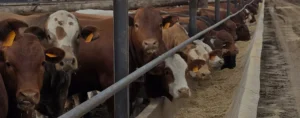
RMIS Inclusive Growth is the training and enterprise development function of the RMIS, aiming to empower and uplift communal and smallholder farmers in South Africa. As one of the four strategic focus areas of the Red Meat Industry Strategy 2030, Inclusive Growth is a critical mandate for RMIS to execute across the primary red meat value chain.
Inclusive Growth aims to ensure that the benefits of growth and development are shared equitably among all stakeholders, including farmers, workers, consumers, and the broader community, thereby supporting the successful implementation of the Red Meat Industry Strategy 2030.
The Importance of Inclusive Growth
Inclusive Growth is crucial for the successful implementation of the Red Mead Industry Strategy 2030 because approximately 40-50% of the national herd is managed by communal and smallholder farmers. This sector also has the potential to drive rural development, employment, and wealth creation for over one million households involved in livestock production, especially in the country’s most impoverished regions. With most commercial farmers already operating at optimal levels, focusing on communal and smallholder farmers is essential for the growth of the red meat industry. To this end, RMIS is mandated to allocate 20% of statutory funding to initiatives that promote Inclusive Growth.
Key Initiatives for Inclusive Growth
1. Land Development Support Programme (LDS)
Funded by the Department of Agriculture, Land Reform and Rural Development, the LDS programme supports black farmers at the entry level of commercial viability. RMIS acts as the commodity implementation partner, advising livestock farms and facilitating the project’s execution. The LDS programme provides financial assistance for infrastructure development, production, and capacity building. It aims to help farmers expand their operations and transition into fully-fledged commercial farmers. Each year, approximately 35 farmers across South Africareceive support through this programme.
Additionally, RMIS’s MeatMENTOR initiative offers a 12-month mentorship programme covering technical and business skills. Monthly visits address topics such as animal husbandry, supplementary feeding, breeding, record-keeping, budgeting, and risk management. Beneficiaries also gain access to industry experts and customised production guidelines.
2. Mobile Cattle Processing Units
The RMIS is currently piloting a project with a mobile processing unit aiming to assistcommunal farmers with tagging, branding, dipping and vaccinating.
The mobile unit is equipped with a neck clamp, body crush, scale, tag scanner, and other animal handling tools ensuring processing can continue even when cattle handling facilities are inadequate. Each processed animal receives a visual tag with a QR code linked to a unique SGTIN number, facilitating traceability and market access. The unit has already processed over 1,800 cattle, recording vital information to aid community management practices. RMIS aims to expand this initiative to each province in the near future.


3. Training Programmes
RMIS Inclusive Growth is an accredited AgriSeta training provider with qualified trainers and industry experts are passionate about fostering inclusive growth in the red meat industry.
Our training programmes cater to diverse audiences, including livestock farm employees, communal farmers, small- and medium-scale farmers, and commercial farmers.
RMIS Inclusive Growth provides both credit and non-credit training options, embracing formal and informal learning approaches.
Training is delivered on-farm or within group settings organised by provincial or community structures and industry role player transformation initiatives. Our training formats include:
• Accredited courses
• Short courses
• Study groups
• Farmers Days
• Information Days
• On-farm mentoring and training
• RMIS open line telephonic advice to farmers
• Monthly free online webinars covering topics such as livestock diseases, seasonal nutrition, stock theft challenges, and value chain requirements.
Key areas of focus include disease management, biosecurity, record-keeping, and traceability. Training programmes emphasise early disease identification, proper health programmes, modern cattle management techniques, and formal market requirements. By respecting cultural practices while introducing modern techniques, RMIS Inclusive Growth aims to gain community acceptance and improve livestock management.
Long-term Impact on the Red Meat Value Chain
The primary objective of RMIS Inclusive Growth is to integrate 250,000 additional weaner calves into the formal value chain from emerging producers over the next ten years. This goal entails increasing overall beef production, improving weaning rates, and optimising herd composition among small-scale farmers. The expected long-term effects include enhanced productivity, better market access, and significant contributions to the red meat value chain’s sustainability and growth.
Collaborative Efforts and Future Plans
RMIS values the importance of collaborating with stakeholders who share the goal of enhancing livestock farming in the emerging sector. We aim to work with as many partners as possible to benefit the red meat industry.
Our Inclusive Growth initiative uniquely positions us to manage projects that uplift small-scale farmers. Stakeholders with extensive project plans can engage with RMIS, aligning their initiatives with our 2030 strategic vision. Our experience in similar projects means we have the structures, resources, and processes in place to support these efforts effectively.
A key component of our future vision is the deployment of at least 18 Mobile Processing Units (MPUs), with two units per province. These MPUs are essential for providing physical services such as vaccinations, branding, and dipping. Stakeholders can contribute by funding these interventions or sponsoring the units themselves. As a not-for-profit company, RMIS aims to establish each MPU sustainably, recognising that statutory funding alone is insufficient for their maintenance.
By forming strong partnerships with government agencies, NGOs, academic institutions, the private sector, community leaders, international organisations, and extension services, RMISInclusive Growth can enhance its ability to deliver impactful and sustainable services to small scale cattle farmers. This collaborative approach not only improves livestock health and productivity but also contributes to the overall development and resilience of farming communities across the country.